

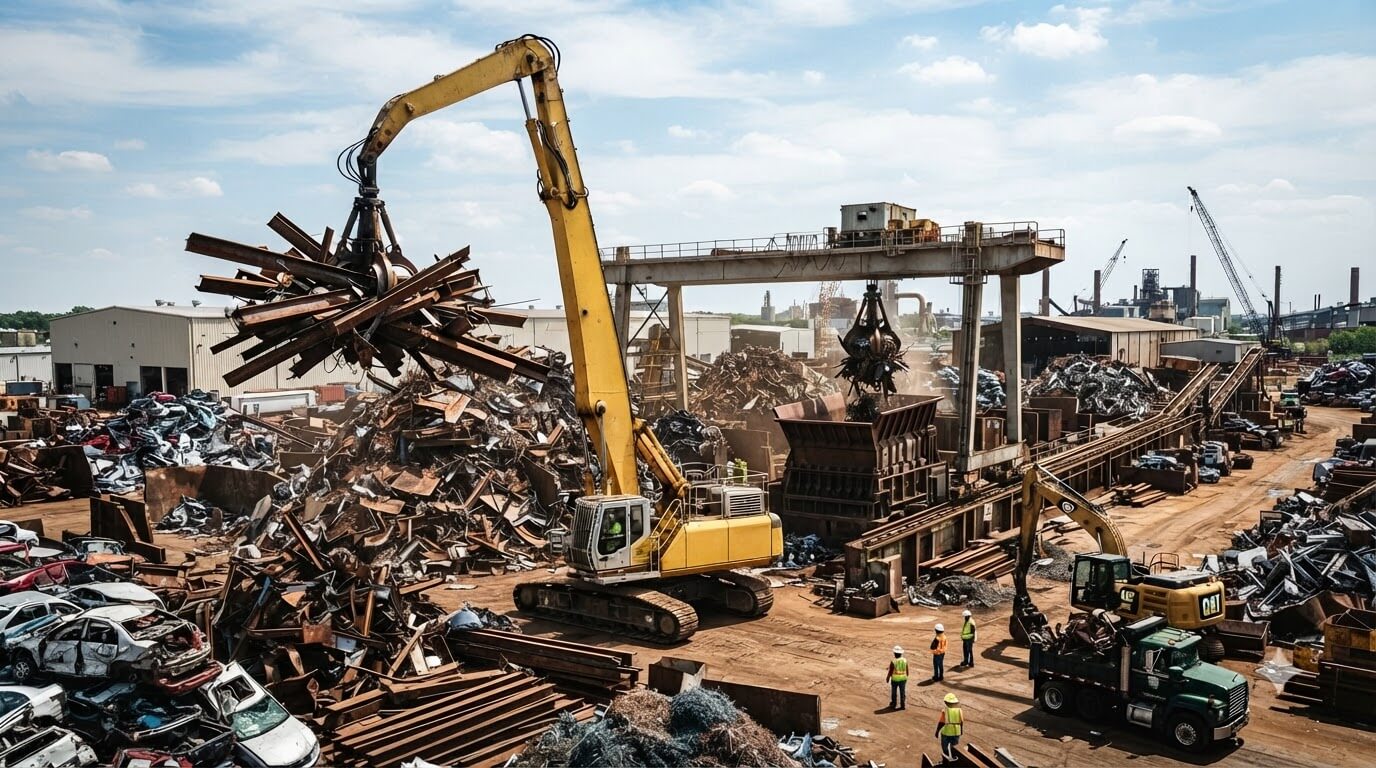
Businesses generate scrap every day through manufacturing, construction, retail, warehouses, offices, equipment maintenance, and routine operations. Materials such as steel, copper, aluminium, brass, cardboard, electrical components, and obsolete equipment can quickly accumulate if they are not managed properly. Unorganized scrap can occupy valuable storage space, create workplace hazards, and increase waste handling and disposal costs.
However, recyclable materials should not always be treated as ordinary waste. Many types of business scrap have resale and recovery value when they are properly identified, separated, and prepared for recycling. Business scrap recycling provides a structured approach to collecting, sorting, processing, and reselling these materials.
What Is Business Scrap Recycling?
Business scrap recycling is the process of collecting, sorting, processing, and recovering recyclable materials generated by commercial and industrial operations. Instead of sending useful materials to general waste disposal, businesses can separate and sell recyclable scrap to buyers and recycling companies.
Materials such as steel, copper, aluminium, brass, machinery components, electrical equipment, cardboard, and other recyclable materials can often be recovered and reused.
Understanding Business Scrap Recycling
Business scrap recycling involves managing recyclable materials generated through everyday business activities. The process can include collection, material identification, sorting, transportation, processing, and resale.
Commercial vs residential recycling: Commercial recycling generally handles larger volumes and more diverse materials than residential recycling. Businesses may require scheduled pickups, bulk collection, specialized handling, and transportation services.
Recovering value from scrap: Businesses can generate additional revenue by separating valuable materials, keeping scrap clean, tracking quantities, and selling to suitable buyers. Online marketplaces can also help businesses reach a wider network of potential buyers.
Why Scrap Recycling Matters for Businesses
Reduce waste: Recycling diverts useful materials from landfill and reduces the amount of waste requiring disposal.
Recover material value: Metals and other recyclable materials can be sold, turning unwanted business scrap into a potential revenue stream.
Improve operational efficiency: Regular scrap collection keeps warehouses, factories, and work areas organized while freeing valuable storage space.
What Types of Business Scrap Can Be Recycled?
Businesses generate many recyclable materials through manufacturing, construction, retail, warehousing, offices, and daily operations. Properly separating these materials can improve recycling efficiency and help businesses recover additional value.
Ferrous Metal Scrap
Ferrous metals contain iron and are commonly generated by manufacturing, construction, and industrial businesses. Common recyclable materials include steel, iron, HMS (Heavy Melting Steel), and cast iron. These materials can be sorted, processed, and returned to metal production.
Non-Ferrous Metal Scrap
Non-ferrous metals are often more valuable and widely traded in the recycling market. Common types include copper, aluminium, brass, stainless steel, and zinc. Keeping these metals clean and separated can make them easier to evaluate and sell.
Electronic and Electrical Scrap
Businesses can generate electronic and electrical scrap from outdated equipment, repairs, upgrades, and facility maintenance. Examples include computers, cables, motors, circuit boards, and electrical equipment. Proper recycling helps recover useful metals and components while reducing electronic waste.
Industrial and Manufacturing Scrap
Manufacturing and industrial operations produce scrap during production, machining, fabrication, and equipment replacement. This can include metal offcuts, machinery parts, production waste, and factory equipment. Separating these materials helps businesses identify recyclable metals and recover their potential resale value.
Other Commercial Recyclables
Business recycling can also include non-metal materials such as plastic, cardboard, paper, and packaging materials. Separating these recyclables from general waste can reduce disposal volumes and support more efficient waste management.
Businesses can also use online platforms such as ScrapTrade to explore opportunities for listing recyclable materials and connecting with potential buyers.
How Business Scrap Recycling Works
Business scrap recycling follows a structured process that helps companies identify recyclable materials, reduce waste, and recover value from unwanted materials.
Step 1: Identify and Audit Scrap
Businesses first identify the types of scrap they generate and estimate the quantities available. Reviewing current waste streams helps determine which materials can be recycled and where improvements can be made.
Step 2: Sort and Separate Materials
Scrap is separated into ferrous and non-ferrous metals, different grades, and other material categories. Removing contamination improves material quality and can increase its recycling value.
Step 3: Collect and Store Scrap
Recyclable materials are placed in dedicated containers and safe storage areas. Businesses can arrange scheduled collections to prevent scrap from accumulating and taking up unnecessary space.
Step 4: Process and Recycle Materials
Collected scrap is further sorted and prepared for recycling. Depending on the material, processing may include shredding, baling, cutting, melting, and material recovery. Recovered materials are then prepared for reuse in manufacturing.
Step 5: Sell or Reuse Recovered Materials
Businesses can sell recovered scrap to local buyers, commercial recyclers, online marketplaces, or international buyers. Comparing different selling options can help businesses find suitable buyers and improve the potential value of recyclable materials.
Benefits of Business Scrap Recycling
Business scrap recycling helps companies turn unwanted materials into useful resources while improving waste management, reducing costs, and supporting sustainability. A structured recycling program can benefit businesses of different sizes and industries.
Generate Revenue From Scrap
Many recyclable materials have resale value. Businesses can sell copper, aluminium, steel, brass, machinery, electrical scrap, and other materials to suitable buyers, creating an additional revenue stream from operational waste.
Reduce Waste Disposal Costs
Separating recyclable materials from general waste reduces the amount of waste sent for disposal. This can lower landfill, collection, handling, and waste management costs over time.
Free Up Warehouse Space
Accumulated scrap can occupy valuable warehouse, factory, and storage areas. Regular collection and recycling help remove unwanted materials, creating more usable space for inventory, production, or business operations.
Improve Workplace Safety
Unmanaged scrap can create hazards such as sharp metal edges, unstable piles, damaged equipment, and blocked walkways. Proper sorting, storage, and regular collection help maintain cleaner and safer working environments.
Reduce Environmental Impact
Recycling keeps valuable materials in use and reduces the amount of waste sent to landfill. Metal recycling also helps conserve natural resources and reduce the need for new raw material extraction.
Business Scrap Collection Services
Business scrap collection services help companies manage recyclable materials efficiently and prevent scrap from accumulating in factories, warehouses, offices, and commercial facilities. Regular collection also makes it easier to maintain organized storage areas and recover value from recyclable materials.
Scheduled Scrap Collection
Businesses can arrange scrap pickups according to their operational needs. Weekly, monthly, or custom collection schedules help prevent excessive accumulation and ensure recyclable materials are removed consistently.
Bulk Scrap Pickup
Bulk scrap pickup is suitable for businesses dealing with large quantities of materials or major clearances. Services can support factory cleanouts, warehouse clearances, and large metal quantities, including heavy industrial scrap and obsolete equipment.
On-Site Scrap Management
On-site management provides a structured way to collect and organize recyclable materials before pickup. Businesses can use collection bins, material segregation, and inventory tracking to keep different scrap types separated and monitor available quantities.
A well-managed collection system can reduce storage pressure, improve workplace organization, and prepare materials for efficient recycling or resale. Businesses can also use ScrapTrade to connect with potential buyers and explore opportunities for selling business scrap.
Business Scrap Recycling for Different Industries
Different industries generate different types and volumes of recyclable materials. A structured business scrap recycling program helps each sector manage waste, recover material value, and reduce disposal requirements.
Manufacturing Businesses
Manufacturing facilities generate metal offcuts, steel, aluminium, copper, production waste, machinery parts, and damaged components. Regular sorting and collection can help manufacturers recover value while keeping production areas organized.
Construction Companies
Construction and demolition projects produce structural steel, aluminium, copper wiring, pipes, cables, and other recyclable materials. Separating scrap at the worksite can reduce waste and create opportunities to sell valuable materials.
Automotive Businesses
Automotive businesses generate scrap from vehicle repairs, manufacturing, dismantling, and maintenance. Common materials include steel, aluminium, copper, engines, vehicle components, and electrical parts.
Engineering Companies
Engineering and fabrication companies often produce machining waste, metal offcuts, damaged components, and obsolete equipment. Separating materials by type and grade can make recycling more efficient and improve potential resale value.
Warehouses and Distribution Centers
Warehouses can accumulate damaged equipment, metal shelving, obsolete inventory, packaging materials, cables, and other recyclable items. Regular scrap collection helps free storage space and maintain efficient warehouse operations.
Retail and Commercial Businesses
Retail stores, offices, and commercial facilities may generate cardboard, packaging, electrical equipment, metal fixtures, damaged products, and obsolete assets. Separating recyclable materials from general waste can reduce disposal volumes and support more sustainable business operations.
How to Choose a Business Scrap Recycling Partner
Choosing the right business scrap recycling partner can help companies recover more value from recyclable materials while reducing collection, storage, and disposal challenges. Businesses should evaluate a recycling partner based on reliability, pricing, logistics, processing capabilities, and market access.
Verify the Recycling Company
Check the company's business credentials, experience, reputation, and relevant licenses or certifications. A reliable recycling partner should provide clear information about its collection and recycling processes and follow applicable environmental and safety requirements.
Compare Scrap Prices
Scrap prices vary according to material type, grade, purity, quantity, and market conditions. Compare offers from multiple buyers and check whether transportation, processing, contamination, or other deductions could affect the final amount you receive.
Check Collection Capabilities
Choose a partner that can handle your scrap volume and collection requirements. Consider scheduled pickups, bulk collection, on-site loading, containers, transportation, and flexible pickup schedules, especially if your business generates scrap regularly.
Review Payment Terms
Confirm the agreed price, weighing process, payment method, payment timing, and any potential deductions before the transaction. Clear payment terms help prevent disputes and make recurring scrap sales easier to manage.
Evaluate Recycling and Processing Capabilities
Make sure the recycling partner can properly handle the materials your business generates. This may include ferrous metals, non-ferrous metals, electronic scrap, machinery, and other commercial recyclables. Appropriate sorting and processing capabilities can improve material recovery.
How Online Scrap Marketplaces Help Businesses
Online scrap marketplaces give businesses a more efficient way to sell recyclable materials without relying only on local scrap dealers. Digital platforms can connect sellers with a broader network of buyers, making it easier to manage listings, compare opportunities, and complete B2B scrap transactions.
List Available Scrap
Businesses can create digital listings for materials such as copper, aluminium, steel, brass, machinery, electrical scrap, and other recyclables. Sellers can provide details such as material type, grade, quantity, location, and specifications.
Reach More Buyers
Online marketplaces can expand a business's reach beyond its local area. Instead of contacting buyers individually, sellers can showcase available scrap to a wider B2B audience and increase opportunities to find suitable buyers.
Compare Offers
Digital platforms make it easier to review different buyer offers based on price, quantity, material requirements, and transaction terms. Comparing multiple opportunities can help businesses make better selling decisions.
Sell Bulk Quantities
Businesses with large inventories or recurring scrap volumes can use online marketplaces to connect with buyers interested in bulk purchases. This can be particularly useful for manufacturers, construction companies, warehouses, and industrial businesses.
Find International Buyers
Global digital marketplaces allow sellers to explore buyers in different countries and potentially expand their customer network beyond domestic markets. International transactions require appropriate documentation, logistics, and compliance checks.
Simplify B2B Scrap Transactions
Digital platforms can bring listing, buyer discovery, communication, negotiation, and transaction management into one online environment. This can make commercial scrap selling more organized and reduce the time involved in traditional sourcing.
For businesses looking to expand their scrap-selling opportunities, a Global Scrap Trading Platform can provide access to international B2B markets. Australian businesses can explore an Australian Scrap Marketplace, while companies focused on online scrap selling can use an Online Scrap Selling Platform to explore additional trading opportunities.
What is business scrap recycling?
Business scrap recycling is the process of collecting, sorting, processing, and reselling recyclable materials generated by companies. It can include metals, electronic waste, machinery, cardboard, plastic, and other commercial recyclables. Recycling helps businesses reduce disposal costs, free storage space, and recover value from unwanted materials.
What types of scrap can businesses recycle?
Businesses can recycle steel, iron, copper, aluminium, brass, stainless steel, zinc, electronic equipment, cables, machinery parts, plastics, cardboard, and paper. The exact materials accepted depend on the recycling partner and available processing facilities.
How can businesses make money from scrap?
Businesses can generate revenue by properly sorting, cleaning, storing, and selling recyclable materials to suitable buyers. Separating high-value metals, tracking scrap quantities, monitoring market prices, and comparing multiple buyer offers can help improve returns.
How often should businesses arrange scrap collection?
The ideal collection frequency depends on the volume and type of scrap generated, available storage space, and business operations. High-volume manufacturers may need weekly pickups, while smaller businesses may require monthly or custom schedules. Regular collection prevents accumulation and keeps recyclable materials organized.
Conclusion
Business scrap recycling can turn unwanted materials into a valuable resource while helping companies manage waste more efficiently. Metals, electronic equipment, machinery, packaging, and other recyclable materials can generate additional revenue when they are properly handled and sold.
Proper sorting, storage, collection, and buyer selection can improve material quality and help businesses secure better returns. Separating different scrap types and monitoring market prices also makes it easier to evaluate buyer offers.
Professional recycling services can reduce disposal costs, free up valuable storage space, and simplify regular scrap collection. Businesses can also benefit from scheduled pickups and bulk scrap removal.