
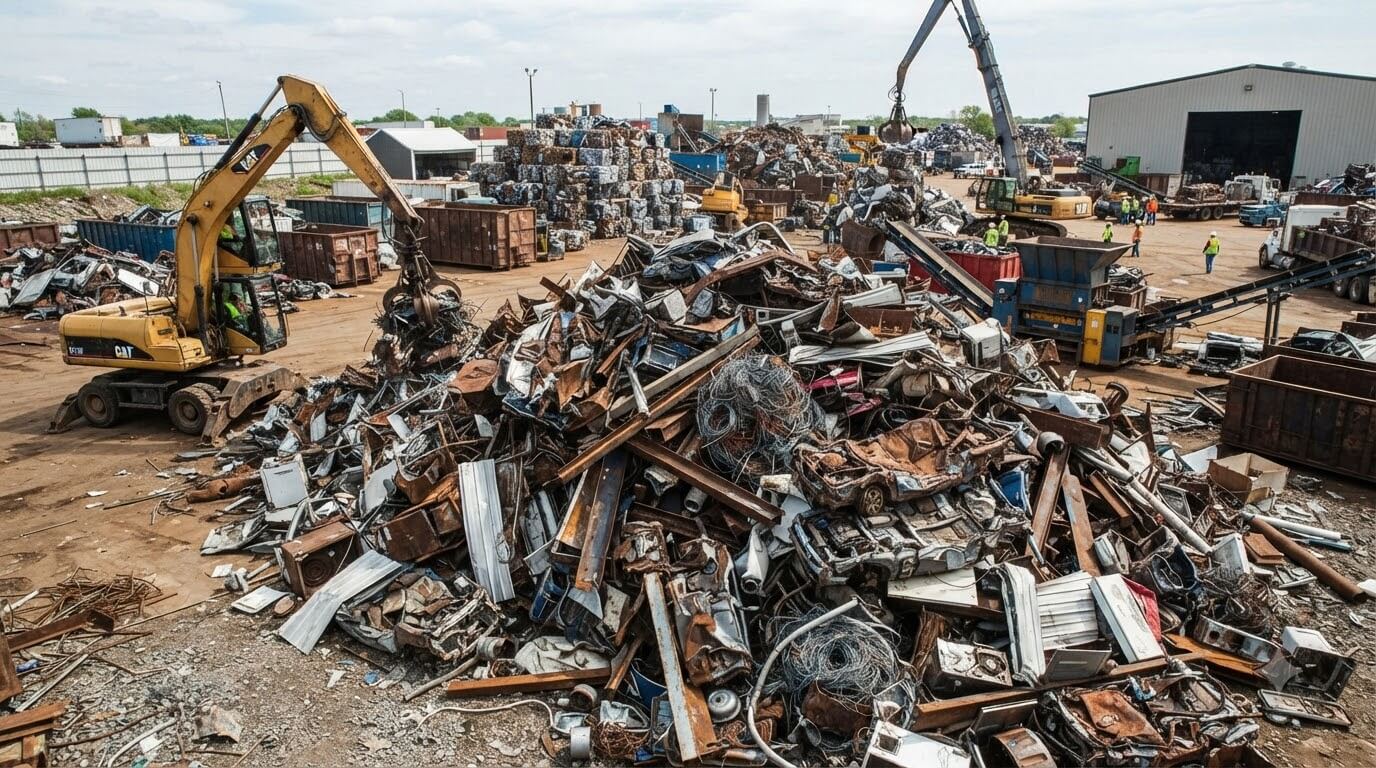
Businesses generate valuable scrap every day through manufacturing, construction, automotive operations, equipment maintenance, and other commercial activities. Materials such as copper, aluminium, steel, brass, machinery parts, and electrical components can accumulate quickly, taking up valuable storage space and creating disposal challenges. However, finding reliable commercial scrap buyers and securing competitive prices can be difficult, especially when businesses depend only on local dealers or limited buyer networks.
Commercial scrap buyers provide a practical solution by purchasing recyclable materials and helping businesses turn unwanted scrap into additional revenue. This guide explains the types of scrap commercial buyers purchase, how the selling process works, the key factors that influence scrap prices, and how to choose a reliable buyer. It also explores online scrap marketplaces as an alternative way to reach more buyers and compare opportunities beyond traditional local scrap dealers.
What Are Commercial Scrap Buyers?
Commercial scrap buyers are businesses or professional buyers that purchase recyclable materials from companies in commercial and industrial quantities. They typically handle materials such as steel, copper, aluminium, brass, machinery, electrical scrap, and other recyclable waste.
By purchasing scrap in bulk, commercial buyers help businesses reduce storage and disposal problems while recovering financial value from unwanted materials.
Understanding Commercial Scrap Buyers
Commercial scrap buyers specialize in purchasing scrap generated by businesses rather than small household quantities. They may provide collection, transportation, weighing, material assessment, and payment services depending on the transaction.
The main difference between commercial and residential scrap buyers is the volume and type of material handled. Residential buyers generally deal with smaller quantities from households, while commercial buyers are equipped to manage recurring and bulk scrap from businesses.
Businesses typically sell scrap by separating materials, estimating quantities, requesting buyer offers, and arranging pickup or delivery. For larger volumes, buyers may provide on-site collection and logistics support.
Who Uses Commercial Scrap Buyers?
Manufacturing companies sell production offcuts, steel, aluminium, copper, and machinery scrap generated during manufacturing.
Construction businesses sell structural steel, cables, pipes, aluminium, and demolition materials recovered from job sites.
Automotive businesses generate vehicle components, engines, metal parts, batteries, and other recyclable materials.
Warehouses may sell damaged equipment, metal shelving, packaging materials, and obsolete inventory.
Engineering companies commonly generate machining waste, metal offcuts, fabricated components, and equipment scrap.
Retail businesses can accumulate damaged equipment, metal fixtures, packaging materials, and obsolete products.
Demolition contractors handle large quantities of steel, aluminium, copper, wiring, and other recyclable materials during building dismantling and site clearance.
What Types of Scrap Do Commercial Buyers Purchase?
Commercial scrap buyers purchase a wide range of recyclable materials from manufacturing companies, construction businesses, automotive operations, warehouses, and other commercial facilities. The price and demand depend on material type, grade, purity, quantity, and current market conditions.
Ferrous Metals
Ferrous metals contain iron and are commonly generated by construction, manufacturing, and industrial operations. Commercial buyers may purchase:
- Steel: Structural steel, sheets, beams, and industrial steel waste.
- Iron: Castings, components, and general iron scrap.
- HMS: Heavy Melting Steel from industrial and demolition sources.
- Cast Iron: Machinery parts, automotive components, and industrial castings.
Non-Ferrous Metals
Non-ferrous metals are often highly valuable because of their properties and recyclability. Common materials include:
- Copper: Cables, pipes, wiring, motors, and electrical components.
- Aluminium: Vehicle parts, machinery, sheets, and construction materials.
- Brass: Valves, fittings, plumbing components, and industrial parts.
- Stainless Steel: Equipment, appliances, machinery, and fabrication waste.
- Zinc: Industrial components, coatings, and manufacturing scrap.
- Lead: Batteries, industrial products, and other recyclable sources.
Industrial Scrap
Industrial scrap is generated during manufacturing, engineering, fabrication, and equipment operations. Buyers may purchase old machinery, metal offcuts, factory equipment, and production waste. Proper segregation can make these materials easier to evaluate and process.
Electrical and Electronic Scrap
Commercial buyers may also purchase recyclable electrical and electronic materials such as cables, motors, circuit boards, and electrical equipment. These materials can contain recoverable metals and should be handled and processed through appropriate recycling channels.
How to Sell Scrap to Commercial Buyers
Selling scrap to commercial buyers becomes easier when materials are properly prepared, measured, and compared across multiple offers. A structured process can help businesses improve scrap value, reduce disposal costs, and find suitable buyers.
Step 1: Identify and Sort Your Scrap
Start by separating ferrous and non-ferrous metals such as steel, iron, copper, aluminium, and brass. Remove unnecessary contamination and separate materials according to their grade and quality. Proper sorting helps buyers evaluate the scrap accurately and can improve the final offer.
Step 2: Determine Your Scrap Quantity
Accurate quantity information helps buyers provide realistic quotations. Weigh the materials where possible, maintain an inventory record, and identify whether you have a small, regular, or bulk quantity available for sale.
For large industrial loads, providing estimated weight, photos, material specifications, and location can make the quotation process faster.
Step 3: Find Potential Buyers
Businesses can approach local commercial scrap buyers, recycling companies, industrial buyers, and online scrap marketplaces. Using multiple channels gives sellers more opportunities to find buyers that match their material type and volume requirements.
Online platforms such as ScrapTrade can help businesses reach buyers beyond their local area and explore wider B2B scrap trading opportunities.
Step 4: Compare Offers
Don't compare offers based only on the advertised price. Review the complete deal, including price per kg or tonne, pickup charges, transportation costs, processing deductions, and payment terms.
A slightly lower quoted price may sometimes provide better overall value if the buyer offers convenient pickup and fewer additional charges.
Step 5: Arrange Collection and Payment
Once you select a suitable buyer, agree on the pickup schedule, weighing process, required documentation, and payment method. For large commercial loads, confirm how the final weight and material grade will be determined.
Factors That Affect Commercial Scrap Prices
Commercial scrap prices are not fixed and can change based on material quality, quantity, market conditions, and logistics. Understanding these factors helps businesses evaluate buyer offers and make better decisions when selling scrap.
Type and Grade of Metal
Different metals have different market values. Copper, aluminium, brass, stainless steel, and steel can attract different prices depending on their specific grade and composition. Higher-grade materials generally have stronger demand and may receive better offers.
Scrap Purity and Contamination
Clean and properly sorted scrap is usually more valuable than mixed or contaminated material. Plastic, dirt, oil, coatings, or other unwanted materials can increase processing requirements and may reduce the price offered by buyers.
Total Scrap Volume
The total quantity of scrap can influence the price. Larger, consistent volumes may attract competitive offers because buyers can process and transport bulk materials more efficiently. However, the final value also depends on material quality and market demand.
Current Market Demand
Supply and demand have a direct effect on commercial scrap prices. When manufacturers and recyclers require more of a particular material, buyers may offer stronger prices. Lower demand can put downward pressure on prices.
Location and Transportation Costs
The location of the scrap can affect the final offer, particularly for heavy or bulky materials. Buyers may consider collection distance, fuel costs, loading requirements, and transportation expenses when calculating their purchase price.
Global Metal Market Conditions
International commodity prices, economic activity, manufacturing demand, supply disruptions, currency movements, and other market conditions can influence scrap values. Businesses that monitor global metal markets can better understand price changes and evaluate commercial buyer offers.
Benefits of Working With Commercial Scrap Buyers
Working with commercial scrap buyers helps businesses manage recyclable materials more efficiently while recovering financial value. Professional buyers can support regular collection, bulk scrap sales, and responsible recycling.
Turn Business Waste Into Revenue
Materials such as copper, aluminium, steel, brass, and machinery scrap can have significant resale value. Selling these materials allows businesses to generate additional revenue instead of treating recyclable scrap as ordinary waste.
Reduce Storage Requirements
Accumulated scrap can take up valuable factory, warehouse, and yard space. Regular collection removes unwanted materials and allows businesses to use their available space more efficiently.
Lower Waste Disposal Costs
Selling recyclable scrap can reduce the amount of material sent for general waste disposal. This can help businesses lower landfill, handling, and waste management expenses.
Simplify Scrap Collection
Commercial buyers may offer scheduled pickups, bulk removal, weighing, transportation, and other collection services. This makes it easier for businesses to manage large or recurring volumes of scrap without disrupting daily operations.
Support Sustainable Business Operations
Recycling keeps valuable materials in circulation and reduces the need for virgin resource extraction. Businesses can reduce waste, conserve resources, and strengthen their environmental sustainability practices.
Build Long-Term Buyer Relationships
Working consistently with a reliable commercial scrap buyer can create long-term B2B relationships. Regular buyers may better understand a business's material types, volumes, and collection requirements, making future transactions more efficient. Online marketplaces such as ScrapTrade can also help businesses discover and connect with additional commercial scrap buyers.
How to Choose Reliable Commercial Scrap Buyers
Choosing a reliable commercial scrap buyer is important for getting fair value, ensuring smooth collection, and avoiding unnecessary delays. Businesses should evaluate the buyer's credentials, pricing, logistics, payment process, and experience before agreeing to a transaction.
Check Buyer Credentials
Review the buyer's business details, experience, licenses, and reputation where applicable. A credible buyer should provide clear information about their operations and recycling processes.
Compare Current Scrap Prices
Scrap prices vary by material, grade, purity, quantity, and market conditions. Compare current offers from multiple buyers and understand whether deductions for processing, contamination, or transportation apply.
Confirm Pickup and Logistics
For large quantities, confirm whether the buyer provides pickup, loading, transportation, and scheduled collection services. Clarify who is responsible for transportation costs and how the material will be weighed.
Review Payment Terms
Before selling, confirm the payment method, payment timing, agreed price, and any applicable deductions. Clear payment terms help prevent misunderstandings after the scrap is collected.
Check Buyer Experience With Your Material
Choose a buyer with experience handling your specific scrap type. Whether you sell copper, aluminium, steel, machinery, or electronic scrap, the buyer should understand the relevant grades, quality requirements, and processing methods.
FAQs
What do commercial scrap buyers purchase?
Commercial scrap buyers typically purchase ferrous metals such as steel, iron, HMS, and cast iron, along with non-ferrous metals including copper, aluminium, brass, stainless steel, zinc, and lead. They may also buy machinery, electrical scrap, cables, motors, industrial equipment, and production waste.
How do businesses find reliable commercial scrap buyers?
Businesses can find reliable buyers through referrals, established recycling companies, local commercial scrap dealers, and online scrap marketplaces. Check buyer credentials, experience, reviews, pricing transparency, collection services, and payment terms before completing a transaction.
Do commercial scrap buyers collect scrap from businesses?
Yes, many commercial scrap buyers offer pickup and collection services for businesses. Depending on the buyer and scrap volume, services may include scheduled pickups, bulk scrap removal, on-site loading, weighing, and transportation. Businesses should confirm collection charges and logistics arrangements before scheduling pickup.
How are commercial scrap prices calculated?
Commercial scrap prices are generally based on the metal type, grade, purity, quantity, current market demand, and location. Buyers may also consider transportation, processing, and handling costs. Comparing multiple offers helps businesses understand the market value and identify a suitable deal.
Conclusion
Commercial scrap can be more than unwanted business waste it can represent a valuable source of recovered revenue. Materials such as copper, aluminium, steel, brass, machinery, and electrical scrap can generate income when they are properly sorted, stored, and sold to suitable buyers.
Businesses can improve their returns by separating different materials, keeping scrap clean, tracking quantities, understanding current market prices, and comparing offers from multiple buyers. These steps make it easier to identify competitive opportunities and avoid unnecessary deductions.