

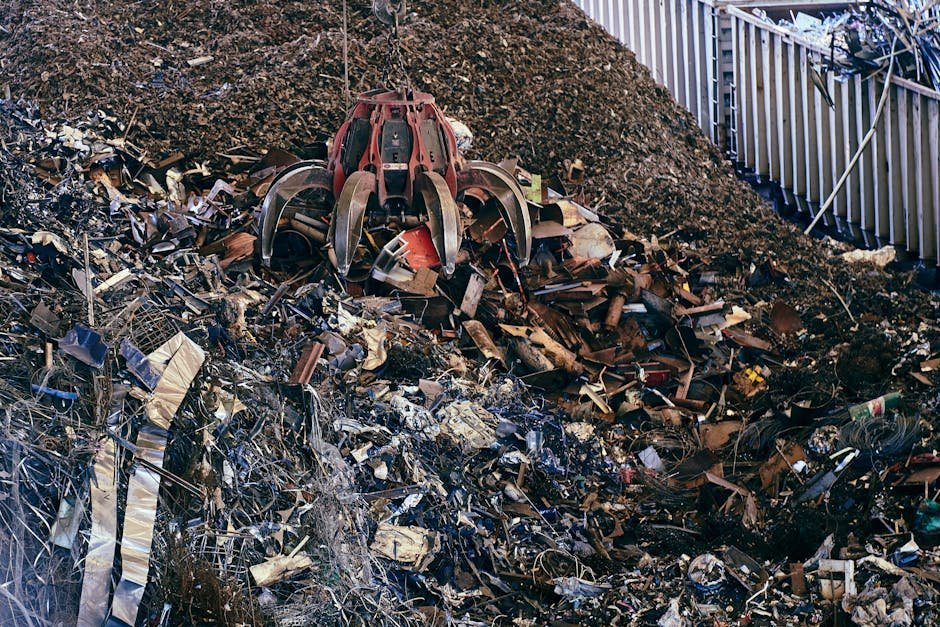
The cross-country scrap buyer network is becoming a core structure behind today’s global recycling economy. Instead of relying on local buyers and fragmented scrap yards, suppliers now connect with verified international buyers across multiple countries in real time. This shift is improving pricing transparency, expanding demand access, and making scrap trading more scalable than ever.
For scrap sellers, recyclers, and exporters, understanding how these networks operate is critical to maximizing margins and reducing dependency on local intermediaries. From metal scrap and plastics to e-waste and industrial by-products, cross-border demand is driving consistent global trade flows.
In this guide, you’ll learn how a cross-country scrap buyer network works, how buyers are connected globally, and how digital platforms are reshaping international scrap trade ecosystems.
What is a Cross-Country Scrap Buyer Network?
A cross-country scrap buyer network is an interconnected system of scrap buyers, traders, recyclers, and manufacturers operating across different countries to source recyclable materials.
These networks enable:
- International scrap procurement
- Bulk recycling material sourcing
- Direct supplier-to-buyer transactions
- Price competition across regions
- Efficient global distribution of scrap materials
The network typically includes buyers from:
- Steel mills and foundries
- Plastic recycling plants
- Copper and aluminum refineries
- Paper and packaging manufacturers
- E-waste processing facilities
This structure eliminates geographic limitations and allows scrap to move where demand and pricing are most favorable.
How Cross-Country Scrap Buyer Networks Work
The system operates through a structured global sourcing and trade flow:
1. Supplier Listing Materials
Scrap suppliers list available materials with details such as:
- Material type (metal, plastic, etc.)
- Grade and purity
- Quantity available
- Location
- Packaging type
2. Buyer Network Matching
International buyers search and filter listings based on:
- Material specifications
- Price expectations
- Logistics feasibility
- Regional demand gaps
3. Price Negotiation Across Borders
Unlike local trade, pricing is influenced by:
- Global commodity markets
- Currency exchange rates
- Shipping costs
- Import/export regulations
4. Logistics & Export Coordination
Once agreed, logistics is arranged:
- Container booking
- Freight forwarding
- Export documentation
- Customs clearance
5. Delivery to End Buyers
Scrap is delivered to recycling or manufacturing facilities where it is processed into usable raw material.
Key Participants in a Cross-Country Scrap Buyer Network
1. Scrap Suppliers
These include demolition companies, industrial manufacturers, and local scrap yards.
2. International Buyers
Large-scale recyclers, metal processors, and industrial manufacturers who purchase scrap in bulk.
3. Trading Intermediaries
Agents and brokers who facilitate deals between suppliers and buyers.
4. Logistics Providers
Freight companies handling shipping, customs, and transportation.
5. Digital Marketplaces
Platforms that connect global participants and streamline transactions.
Pricing Dynamics in Cross-Country Scrap Buyer Networks
Pricing in international scrap networks is influenced by multiple factors:
| Factor | Impact on Price |
|---|---|
| Global demand | High demand increases scrap value |
| Material purity | Cleaner scrap fetches higher prices |
| Freight costs | High logistics cost reduces net value |
| Currency exchange | Affects international competitiveness |
| Export regulations | Can restrict or delay trade flows |
Example Pricing Logic
- Clean copper scrap → premium pricing globally
- Mixed aluminum scrap → medium pricing
- Contaminated steel scrap → lower pricing tier
- Plastic scrap → highly variable depending on grade
Why Cross-Country Scrap Buyer Networks Are Growing
1. Global Industrial Demand
Manufacturing hubs require large volumes of recycled materials to reduce production costs.
2. Supply-Demand Imbalance
Some countries generate excess scrap, while others face shortages of raw materials.
3. Sustainability Regulations
Governments are pushing industries to use recycled inputs instead of virgin resources.
4. Digital Trade Expansion
Online platforms have made it easier to connect buyers and sellers globally.
5. Cost Efficiency
Cross-border sourcing often reduces overall raw material costs for manufacturers.
Role of Digital Platforms in Scrap Buyer Networks
Modern cross-country scrap buyer networks rely heavily on digital systems that:
- Match global buyers with suppliers instantly
- Provide verified material listings
- Enable transparent pricing comparisons
- Streamline communication and negotiation
- Simplify logistics coordination
Platforms like ScrapTrade are helping centralize global scrap demand and supply into a single efficient ecosystem.
Explore:
Challenges in Cross-Country Scrap Buyer Networks
Despite rapid growth, several challenges exist:
- Regulatory differences between countries
- Import/export restrictions on scrap materials
- Inconsistent grading standards
- High shipping and logistics costs
- Fraud risk in unverified transactions
These challenges make trust and transparency critical in international scrap trading.
Opportunities in Global Scrap Buyer Networks
The sector is expanding rapidly due to:
- Rising demand for recycled metals and plastics
- Growth of circular economy policies worldwide
- Increasing industrial consumption of secondary raw materials
- Expansion of digital scrap trading ecosystems
- AI-driven supplier-buyer matching systems
Cross-country scrap buyer networks are becoming essential infrastructure for global recycling systems.
FAQs – Cross-Country Scrap Buyer Network
1. What is a cross-country scrap buyer network?
It is a global system where scrap buyers and sellers from different countries connect to trade recyclable materials such as metals, plastics, and e-waste.
2. Who are the main buyers in scrap networks?
Main buyers include recycling plants, steel mills, metal refineries, and manufacturing companies that use scrap as raw material.
3. How are international scrap buyers connected?
They are connected through digital marketplaces, brokers, and trading platforms that facilitate global scrap transactions.
4. What affects scrap pricing in cross-country trade?
Pricing depends on material quality, global demand, shipping costs, and international currency exchange rates.
5. Is cross-country scrap trading profitable?
Yes, it can be highly profitable when suppliers access high-demand markets and optimize logistics and pricing strategies.
Conclusion
The cross-country scrap buyer network is reshaping global recycling by connecting suppliers and buyers across borders in a seamless, data-driven ecosystem. It improves pricing efficiency, expands market access, and strengthens the circular economy.
As global demand for recycled materials continues to rise, businesses that integrate into international buyer networks will gain a significant competitive advantage.