

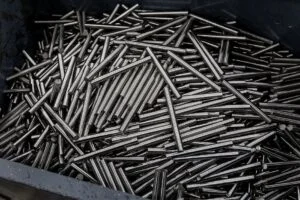
The demand for recycled metals continues to grow as industries seek cost-effective raw materials and sustainable sourcing solutions. Manufacturers, recyclers, and scrap traders often struggle to find reliable buyers, transparent pricing, and consistent global demand.
A global secondary metals marketplace solves these challenges by creating a centralized platform where recycled and recovered metals can be traded internationally. Instead of depending only on local markets, businesses gain access to verified buyers, commodity traders, and industrial manufacturers worldwide.
In this guide, you’ll learn how a global secondary metals marketplace works, which materials are traded, pricing structures, benefits, industry use cases, and how businesses can scale through global metal recycling networks.
What Is a Global Secondary Metals Marketplace?
A global secondary metals marketplace is an online trading platform or B2B exchange that allows companies to buy, sell, and source recycled metal materials across international markets.
Secondary metals refer to metals recovered from scrap, industrial waste, manufacturing leftovers, and recycled products.
The marketplace connects:
- Metal recyclers
- Scrap suppliers
- Commodity traders
- Industrial manufacturers
- Exporters and importers
- Foundries and mills
- Waste management companies
Unlike traditional scrap trading, secondary metals marketplaces focus on reusable metal supply chains that support circular economy practices.
Businesses often use platforms like Scrap Trade, Scrap Trade Australia, and Scrap Trade Now to connect with global metal buyers and suppliers.
Why Secondary Metals Matter in Global Trade
Secondary metals play a major role in reducing raw material dependency.
Benefits include:
- Lower production costs
- Reduced mining demand
- Lower carbon emissions
- Stable material supply
- Circular economy support
- Better resource efficiency
Global demand for recycled metals is increasing because manufacturers seek sustainable sourcing alternatives.
Types of Secondary Metals Traded
Ferrous Metals
Ferrous metals contain iron and are widely used in manufacturing.
Examples include:
- Steel scrap
- Iron scrap
- Cast iron materials
- Structural steel
Non-Ferrous Metals
Non-ferrous metals usually have higher resale value.
Examples include:
- Copper scrap
- Aluminum scrap
- Brass scrap
- Zinc materials
- Lead scrap
- Nickel alloys
Industrial Metal Residues
Generated during manufacturing and fabrication.
Examples include:
- Machine offcuts
- Production leftovers
- Fabrication scrap
- Metal shavings
Electronic Recovery Metals
Recovered from e-waste.
Examples include:
- Copper wiring
- Precious metals
- Industrial electronics
- Circuit board materials
How a Global Secondary Metals Marketplace Works
Step 1: Metal Listing
Suppliers upload:
- Metal type
- Grade and purity
- Quantity
- Location
- Photos
- Packaging details
Step 2: Buyer Discovery
Buyers search by:
- Metal category
- Country
- Quantity
- Price range
Step 3: Pricing Negotiation
Metal pricing depends on:
- Global commodity markets
- Purity level
- Freight cost
- Supply-demand ratio
Step 4: Logistics and Export
Transactions may involve:
- Container shipping
- Freight forwarding
- Port coordination
- Export documentation
Step 5: Payment and Settlement
Businesses finalize through:
- Bank transfer
- Contracts
- Trade escrow
- Long-term supply agreements
Benefits of a Global Secondary Metals Marketplace
Access to International Buyers
Expand sales beyond local markets.
Improved Price Transparency
Compare rates globally.
Better Inventory Turnover
Move metal inventory faster.
Sustainability Compliance
Support green manufacturing initiatives.
Higher Profit Potential
Global buyers may offer better pricing.
Secondary Metals Pricing Factors
Secondary metal prices vary depending on several conditions.
| Pricing Factor | Impact |
|---|---|
| Metal purity | Higher purity increases value |
| Commodity demand | High demand improves price |
| Volume | Bulk quantities receive better pricing |
| Processing quality | Clean metals sell faster |
| Shipping costs | Export distance impacts margins |
Example Secondary Metal Pricing
| Metal Type | Estimated Price Range |
| Copper scrap | $6–$10 per kg |
| Aluminum scrap | $1–$3 per kg |
| Brass scrap | $4–$7 per kg |
| Steel scrap | $150–$500 per tonne |
| Stainless steel | $800–$2,000 per tonne |
Industries Using Secondary Metals Marketplaces
Manufacturing
Uses recycled metals for production.
Automotive
Sources metal components.
Construction
Uses steel and iron scrap.
Electronics
Recovers valuable metals.
Renewable Energy
Requires recycled materials for infrastructure.
Challenges in Secondary Metal Trading
Price Volatility
Commodity markets fluctuate.
Quality Assurance
Buyers require standardized grades.
Logistics Costs
Shipping heavy materials can reduce profit.
Export Regulations
Countries apply different rules.
How to Succeed in a Secondary Metals Marketplace
Maintain Material Purity
Clean metals command higher prices.
Use Verified Trading Platforms
Trusted marketplaces such as Scrap Trade improve buyer trust.
Monitor Commodity Trends
Track metal prices before selling.
Build Long-Term Buyer Relationships
Repeat buyers improve stability.
Optimize Freight Costs
Reduce shipping inefficiencies.
Secondary Metals Marketplace vs Traditional Scrap Trading
| Feature | Secondary Metals Marketplace | Traditional Scrap Trading |
| Buyer access | Global | Local |
| Pricing transparency | Strong | Limited |
| Sustainability focus | High | Moderate |
| Export opportunities | Extensive | Limited |
| Scalability | Strong | Moderate |
Future of Global Secondary Metals Marketplaces
The future of secondary metal trading is digital.
Emerging technologies include:
- AI-powered buyer matching
- Blockchain trade records
- Smart commodity pricing
- Automated logistics systems
- Real-time inventory tracking
Secondary metals marketplaces will continue expanding as circular economy demand grows.
FAQs
What is a global secondary metals marketplace?
It is a digital platform that enables businesses to trade recycled and recovered metals globally.
What are secondary metals?
Secondary metals are recycled metals recovered from scrap, industrial waste, or used products.
Which industries use secondary metals?
Manufacturing, automotive, construction, electronics, and renewable energy sectors commonly use secondary metals.
Is recycled metal trading profitable?
Yes. Secondary metals often have strong demand and competitive pricing.
Can secondary metals be exported?
Yes. Many businesses export recycled metals internationally through B2B marketplaces.
Conclusion
A global secondary metals marketplace creates a powerful trading environment where recycled metals become valuable industrial resources.
It improves global buyer access, supports sustainability goals, and creates stronger pricing opportunities.
Businesses using digital metal marketplaces can scale faster while reducing dependency on local scrap channels.