

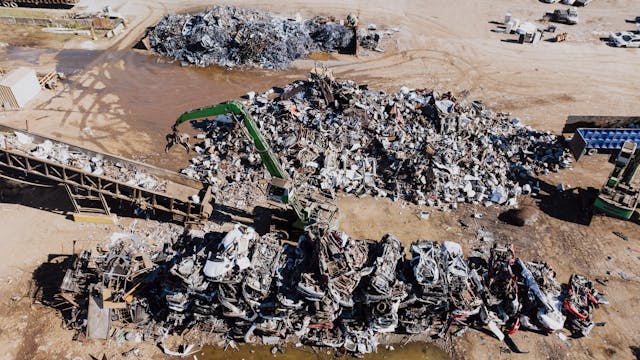
The international commodity scrap network is reshaping how scrap metals and recyclable materials move across global markets. Industries today are no longer limited to local buyers; instead, they can connect with international recyclers, exporters, and commodity traders in real time. However, most businesses still struggle with unclear pricing, unreliable buyers, and fragmented trading systems. This leads to missed opportunities and lower profit margins.
In this guide, you will understand how the global scrap ecosystem works, how pricing is calculated across countries, and how businesses can scale using structured international scrap trading networks. You will also learn how digital platforms are simplifying global scrap commerce and making it more transparent and profitable.
What is the International Commodity Scrap Network?
The international commodity scrap network is a global system that connects scrap suppliers, buyers, recyclers, and exporters across different countries. It enables the trade of recyclable raw materials such as metals, electronics, and industrial waste.
This network includes:
- Scrap suppliers (industries, demolition companies, manufacturing units)
- Scrap buyers (recyclers, smelters, exporters)
- Trading intermediaries and brokers
- Logistics and shipping providers
Common globally traded scrap materials include:
- Copper, aluminum, brass, and steel
- Electronic waste and circuit boards
- Industrial machinery scrap
- Automotive scrap and dismantled parts
The key advantage of this network is that it removes geographic limitations and allows scrap to be traded at global commodity-linked prices.
How Global Scrap Trading Works
International scrap trading follows a structured process that ensures material quality, pricing accuracy, and smooth logistics.
Scrap is first collected from industrial sources, demolition sites, or manufacturing waste. It is then sorted based on material type, contamination level, and purity. Higher purity scrap generally commands better international pricing.
After grading, pricing is determined using global commodity benchmarks such as metal exchange rates, regional demand fluctuations, and logistics costs. Once pricing is agreed, scrap is packaged, transported, and exported to international buyers through shipping networks and ports.
This entire chain is supported by brokers, digital platforms, and commodity traders who ensure smooth transactions between suppliers and global buyers.
International Scrap Pricing System
Scrap pricing is dynamic and changes daily based on global commodity trends. It is influenced by demand from industries such as construction, automotive manufacturing, and electronics.
A simplified pricing structure looks like this:
- Global benchmark metal price (LME or similar index)
- Minus processing and sorting costs
- Minus transportation and logistics costs
- Plus regional demand premium
Sample Pricing Overview
| Scrap Type | Approx. Global Price Range | Key Demand Driver |
|---|---|---|
| Copper Scrap | High-value industrial metal | Electrical & construction sector |
| Aluminum Scrap | Medium-high value | Automotive & packaging industries |
| Steel Scrap | Lower value bulk material | Infrastructure development |
| E-Waste Scrap | Variable high value | Rare metal recovery |
Pricing transparency is one of the biggest advantages of international scrap trading networks.
Role of Digital Scrap Trading Platforms
Modern scrap trading is heavily powered by digital platforms that connect suppliers directly with international buyers.
These platforms provide:
- Real-time global scrap pricing data
- Verified buyer and supplier networks
- Faster deal closure and negotiation
- Reduced dependency on intermediaries
- Secure international payment systems
Benefits of Joining a Global Scrap Network
Participating in an international scrap trading ecosystem offers several business advantages:
Higher profit margins due to direct buyer access without middlemen
Global exposure to multiple markets instead of local dependency
Transparent pricing based on international commodity indexes
Scalable business model for exporters and recyclers
Contribution to sustainable recycling and circular economy goals
Businesses that integrate into global scrap networks tend to grow faster due to better market access and pricing efficiency.
Challenges in International Scrap Trade
Despite its advantages, global scrap trading comes with challenges.
Price volatility is one of the biggest issues, as scrap prices fluctuate daily based on global demand and supply conditions. Quality control is another challenge since different countries have different grading standards.
Logistics and shipping costs can also significantly impact profit margins, especially for low-value bulk scrap. Additionally, international payments require verified and trusted partners to avoid transaction risks.
How to Enter the International Scrap Market
To successfully enter global scrap trading, businesses should follow a structured approach:
Start by registering on verified scrap trading platforms and identifying high-demand scrap categories such as copper and aluminum. Build relationships with international buyers and understand export regulations for your region.
Next, focus on improving material grading and quality consistency to meet global standards. Finally, optimize logistics and shipping contracts to reduce operational costs and improve profitability.
Businesses that focus on high-value scrap categories typically scale faster in international markets.
Future of the International Commodity Scrap Network
The future of scrap trading is becoming increasingly digital and data-driven. Artificial intelligence is being used to predict scrap prices, while automation is improving sorting and grading efficiency.
Global demand for recycled materials is also increasing due to sustainability regulations and the shift toward green energy industries. This will further strengthen the importance of international scrap networks.
Over time, scrap trading will become more standardized, transparent, and technology-driven, creating more opportunities for exporters and recyclers worldwide.
FAQs
What is an international commodity scrap network?
It is a global system that connects scrap suppliers, buyers, and recyclers to trade recyclable materials such as metals and electronics across international markets.
How is scrap pricing determined globally?
Pricing is based on global commodity indexes, material purity, demand-supply conditions, and logistics costs.
Which scrap materials are most valuable internationally?
Copper, aluminum, and electronic waste are among the most valuable due to high industrial demand and recyclable content.
Can small businesses join international scrap trading?
Yes, small suppliers can join through digital scrap platforms that connect them directly with verified global buyers.
What is the main benefit of scrap trading networks?
They provide global market access, better pricing transparency, and improved profit margins by reducing intermediaries.
Conclusion
The international commodity scrap network is a powerful global system that connects suppliers, recyclers, and buyers across borders. It improves pricing transparency, expands market access, and supports sustainable recycling practices.
Businesses that adopt digital scrap trading platforms and understand global pricing mechanisms are better positioned for long-term growth and profitability.