

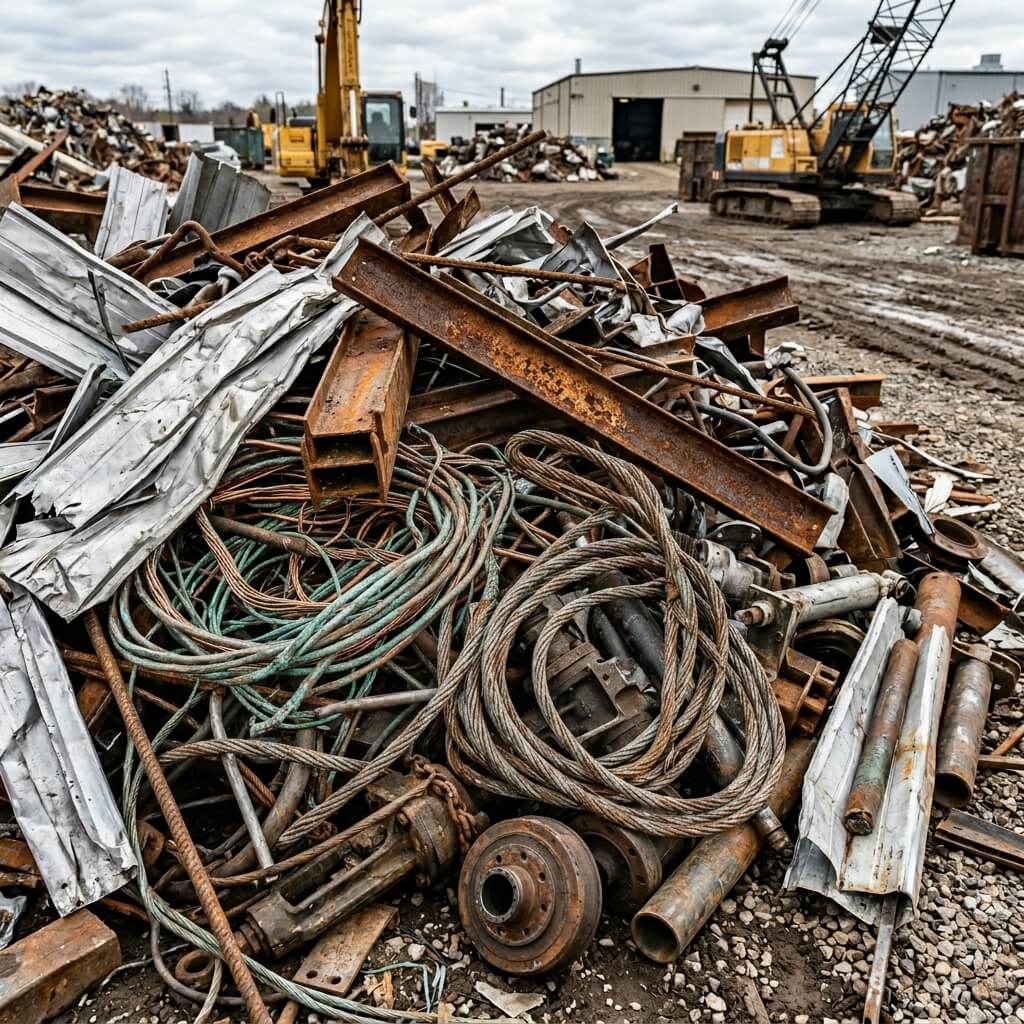
Businesses and industries often struggle with inefficient scrap handling, leading to wasted materials, lost revenue, and operational clutter. Without a structured scrap management system, recyclable materials like metal, plastic, and industrial waste end up underutilized or discarded incorrectly.
This guide explains everything about scrap management, including how it works, why it matters, and how companies can turn waste into a profitable resource. You’ll also learn how modern scrap management systems improve recycling efficiency, reduce environmental impact, and increase resale value.
What is Scrap Management and Why It Matters
Scrap management refers to the systematic process of collecting, sorting, storing, and selling recyclable waste materials generated from industrial or commercial activities.
Key Objectives of Scrap Management
- Maximizing value from recyclable materials
- Reducing landfill waste
- Improving operational efficiency
- Ensuring compliance with environmental regulations
- Supporting circular economy practices
Effective scrap management systems help businesses convert waste into revenue streams instead of cost centers.
Types of Scrap in Scrap Management Systems
Understanding scrap categories is essential for effective segregation, valuation, and maximizing recycling revenue within a structured scrap management system. Proper classification directly impacts pricing, recovery efficiency, and compliance.
1. Metal Scrap
Metal scrap includes high-value recyclable materials such as steel, aluminum, copper, brass, and iron. These materials are widely traded in recycling markets due to strong demand in manufacturing and construction sectors. Their value depends on grade, purity, and contamination levels.
2. Plastic Scrap
Plastic scrap is commonly generated from packaging, molding processes, and production waste. Its market value varies significantly based on polymer type (such as PET, HDPE, or PVC), cleanliness, and whether it is sorted or mixed. Clean, single-type plastics yield higher recycling returns.
3. E-Waste Scrap
Electronic waste includes discarded circuit boards, cables, processors, and other electronic components. These materials are valuable because they contain recoverable metals like gold, silver, copper, and palladium, but require specialized processing due to hazardous elements.
4. Industrial Waste Scrap
Industrial scrap is generated from factories, manufacturing lines, and construction activities. It includes mixed materials such as offcuts, defective parts, packaging waste, and construction debris. Proper segregation at the source is critical to improve recovery rates and reduce disposal costs.
Scrap Management Process Flow (Step-by-Step)
A structured scrap management system follows a clear workflow that ensures maximum recovery value, reduced contamination, and efficient recycling operations across industrial and commercial environments.
Step 1 – Scrap Collection
Scrap is collected from production floors, warehouses, construction sites, or operational areas. Timely collection prevents clutter, improves workplace safety, and ensures recyclable materials are not mixed with general waste.
Step 2 – Segregation
Collected scrap is separated based on material type such as metal, plastic, and e-waste. Proper segregation at source is critical for improving recycling efficiency and increasing resale value in scrap markets.
Step 3 – Weighing and Grading
Each scrap batch is weighed and evaluated based on purity, condition, and material quality. Grading helps determine market price and ensures transparency in valuation and trading.
Step 4 – Storage
Scrap is stored in designated, labeled areas to prevent contamination, rusting, or material degradation. Organized storage also improves handling efficiency and reduces operational delays.
Step 5 – Selling or Recycling
Finally, scrap is either sold to certified recyclers or processed internally for reuse in production cycles. This step converts waste materials into revenue streams or reusable inputs, improving overall cost efficiency.
Scrap Management Pricing and Value Estimation
Scrap value depends on market demand, material type, and quality.
Example Pricing Table
| Scrap Type | Average Value Range (AUD/kg) | Key Factors |
|---|---|---|
| Copper Scrap | 8 – 12 AUD/kg | Purity, wire vs solid |
| Aluminum Scrap | 1.5 – 3 AUD/kg | Clean vs mixed alloy |
| Steel Scrap | 0.2 – 0.6 AUD/kg | Grade & contamination |
| Plastic Scrap | 0.3 – 1 AUD/kg | Polymer type |
For real-time scrap pricing and trading insights, platforms like Scrap Trade and Scrap Trade Australia provide updated market benchmarks.
Benefits of Efficient Scrap Management
A well-structured scrap management system delivers measurable benefits:
Cost Reduction
Reduces waste disposal and improves material recovery.
Revenue Generation
Scrap becomes a secondary income stream.
Environmental Compliance
Ensures adherence to sustainability regulations.
Operational Efficiency
Keeps production areas clean and organized.
Data-Driven Tracking
Modern systems help monitor scrap flow and profitability.
Scrap Management Software and Digital Tracking
Digital scrap management tools help automate tracking and reporting.
Core Features
- Inventory tracking of scrap materials
- Real-time pricing integration
- Automated invoicing
- Vendor management
- Waste analytics dashboards
Businesses using digital scrap platforms such as Scrap Trade improve transparency and maximize returns.
FAQs on Scrap Management
1. What is scrap management in simple terms?
Scrap management is the process of collecting, sorting, and selling waste materials generated from industrial or commercial operations. It helps businesses reduce waste, recover value, and improve environmental sustainability through structured recycling processes.
2. Why is scrap management important for businesses?
It reduces disposal costs, generates extra revenue, and improves sustainability. Proper scrap management also ensures compliance with environmental regulations while keeping production areas clean and efficient, especially in manufacturing and construction industries.
3. How is scrap value calculated?
Scrap value depends on material type, purity, weight, and market demand. Metals like copper and aluminum are priced higher, while steel and plastic vary based on quality and contamination levels.
4. What industries need scrap management systems?
Manufacturing, construction, automotive, electronics, and logistics industries all require scrap management systems to handle waste efficiently and recover material value.
5. Can scrap management increase profits?
Yes, structured scrap management can turn waste into a steady revenue stream. By optimizing segregation and selling scrap at the right time, businesses can significantly increase overall profitability.
Conclusion
Scrap management is no longer just about waste disposal it is a strategic system for improving efficiency, sustainability, and profitability. Businesses that implement structured scrap management processes gain better control over materials and unlock hidden value in industrial waste.