

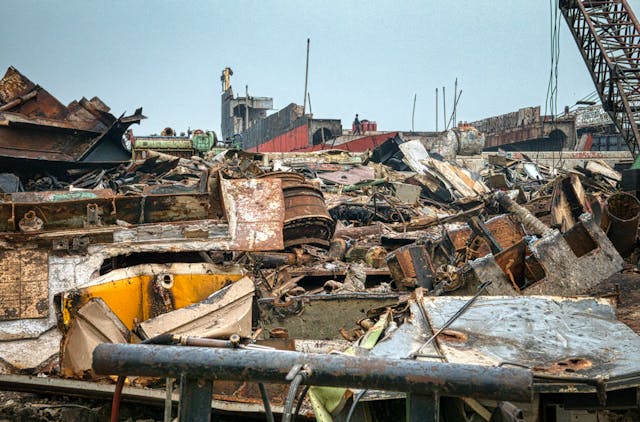
If you’ve noticed lower payouts recently, you’re not imagining it many sellers are asking “why scrap prices are falling?” Whether you’re dealing in metal, appliances, or bulk industrial scrap, declining rates can cut directly into your margins. The drop isn’t random; it’s driven by global demand shifts, supply surges, and economic pressure across key industries.
In this guide, you’ll learn the real reasons scrap prices are falling, current market trends in Australia, and practical strategies to get the best possible rates despite the downturn. If you want to protect your profits and time your sales better, this breakdown is built for action.
Why Scrap Prices Are Falling Right Now
1. Global Demand for Steel and Metals Is Slowing
Scrap prices are closely tied to steel production. When construction and manufacturing slow down, demand drops.
- Reduced infrastructure projects
- Slower real estate development
- Lower industrial output
Countries like China significantly influence global scrap demand. When their demand dips, prices fall worldwide.
2. Oversupply of Scrap Material
There’s currently more scrap in circulation than buyers need.
Why Supply Is Increasing
- More recycling initiatives
- Increased demolition activity
- Businesses offloading excess inventory
When supply exceeds demand, prices naturally decline.
3. Drop in Global Metal Prices
Scrap prices follow primary metal markets such as:
- Iron ore
- Copper
- Aluminum
If these commodities fall, scrap follows.
Example Impact
| Metal Type | Market Trend | Scrap Price Impact |
|---|---|---|
| Steel | Falling | Lower bulk rates |
| Copper | Volatile | Unstable payouts |
| Aluminum | Slight drop | Reduced margins |
4. Economic Slowdown and Inflation Pressure
Global economic uncertainty reduces industrial consumption.
- High interest rates
- Reduced construction spending
- Lower manufacturing demand
Even in regions like Australia, these macroeconomic pressures affect scrap pricing.
5. Export Restrictions and Trade Policies
Scrap markets depend heavily on exports.
- Tighter export regulations
- Shipping costs increasing
- Trade barriers between countries
These factors reduce buyer competition, leading to lower local prices.
6. Currency Fluctuations
Scrap is traded globally in USD. Currency shifts affect local payouts.
- Strong local currency = lower export competitiveness
- Weak global demand = reduced buying activity
Scrap Price Trends in Australia (2026)
Current Market Snapshot
| Scrap Type | Price Trend |
|---|---|
| Mixed steel | Falling |
| Copper | Fluctuating |
| Aluminum | Slight drop |
| Appliances | Low demand |
What This Means for Sellers
- Lower offers from scrap yards
- More negotiation required
- Timing becomes critical
Should You Sell Now or Wait?
Sell Now If:
You need immediate cash flow
Prices are stable (not dropping rapidly)
You have mixed low-value scrap
Wait If:
You have high-value metals like copper
Market signals show potential recovery
Storage is not an issue
FAQs
Why are scrap metal prices dropping globally?
Scrap prices are falling due to lower industrial demand, oversupply, and declining global metal prices, especially in steel and construction sectors.
Will scrap prices go back up?
Yes, scrap prices are cyclical. They typically rise when construction and manufacturing demand increases again.
Which scrap metal holds value best during downturns?
Copper and brass tend to hold value better than steel because of consistent demand in electrical and industrial applications.
How often do scrap prices change?
Scrap prices can change daily or weekly depending on global commodity markets and local demand.
Is it better to hold scrap during a price drop?
It depends. Holding can lead to better returns if prices recover, but it also ties up space and cash flow.
Conclusion
Understanding why scrap prices are falling helps you make smarter selling decisions. The current dip is driven by lower demand, oversupply, and global economic pressure, but opportunities still exist for sellers who act strategically.
To maximize returns:
- Sell smart, not fast
Separate and sort materials
Compare buyers before committing
If you want better deals even in a down market, start comparing offers and move when the timing is right.