

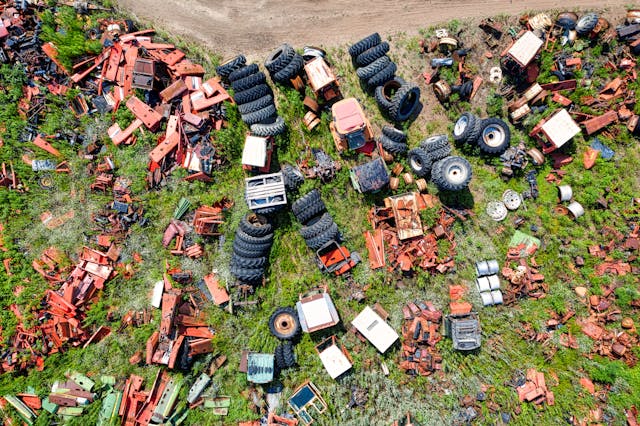
The worldwide scrap partnership network is becoming a powerful model for businesses involved in recycling, metal recovery, and industrial waste trading. As global demand for recyclable materials increases, companies are no longer relying only on local suppliers or buyers. Instead, they are building international partnerships to secure stable scrap supply, improve pricing opportunities, and expand market reach.
Traditional scrap trading often faces challenges such as fragmented supplier relationships, inconsistent quality, and unreliable buyer networks. A worldwide scrap partnership network solves these issues by creating structured business connections between verified participants across regions.
What is a Worldwide Scrap Partnership Network?
A worldwide scrap partnership network is a global ecosystem of suppliers, recyclers, buyers, exporters, and logistics providers who collaborate to trade scrap materials efficiently across markets.
Unlike one-time transactions, partnership networks focus on long-term business relationships that create stability in sourcing and selling recyclable materials.
Key participants include:
- Scrap suppliers and aggregators
- Recycling plants and processors
- Exporters and commodity traders
- Manufacturing companies
- Logistics and shipping providers
- Procurement and sourcing teams
Common materials traded:
- Steel and iron scrap
- Copper, brass, and aluminum
- Electronic waste
- Industrial manufacturing scrap
- Construction and demolition materials
Partnership-based networks improve consistency in both supply and demand.
How Worldwide Scrap Partnership Networks Work
Global scrap partnerships operate through structured agreements and ongoing collaboration.
Businesses within the network establish long-term relationships based on supply commitments, pricing structures, and quality standards. Suppliers provide recurring material inventory, while buyers secure consistent procurement channels.
Digital platforms often support these partnerships by enabling communication, inventory tracking, and contract management.
Standard partnership workflow:
Partner verification and onboarding
Material sourcing agreements
Supply volume commitments
Pricing negotiations and contracts
Logistics coordination
Ongoing trade relationship management
This system creates predictable business operations and reduces dependency on random spot-market transactions.
Why Scrap Partnerships Matter in Global Trade
Partnership-based scrap trading creates stronger supply chain reliability.
Major advantages include:
- Stable material sourcing
- Predictable procurement costs
- Better buyer-supplier trust
- Reduced supply disruptions
- Higher transaction efficiency
- Long-term business growth
In competitive markets, partnerships help businesses secure supply even during shortages.
Benefits of Worldwide Scrap Partnership Networks
Businesses participating in global scrap partnerships gain long-term advantages.
Reliable access to materials
Reduced procurement uncertainty
Lower sourcing costs through recurring agreements
Improved global market access
Stronger business relationships
Enhanced operational planning
These benefits are especially valuable for manufacturers and exporters who require predictable supply.
Challenges in Scrap Partnership Networks
Although partnership models offer stability, challenges still exist.
Partner reliability must be maintained over time. Quality inconsistencies can affect contracts, and changing commodity markets may require pricing renegotiation.
Cross-border regulations and logistics complexity also create operational challenges, especially for international shipments.
Strong communication and transparency are essential to maintain successful partnerships.
How Businesses Can Build Strong Scrap Partnerships
To maximize success in a worldwide scrap partnership network, businesses should:
Verify suppliers and buyers carefully
Create clear quality specifications
Establish transparent pricing agreements
Maintain regular communication
Use digital platforms for visibility
Monitor performance metrics consistently
Long-term partnerships work best when both sides benefit from consistent value and reliability.
Future of Worldwide Scrap Partnership Networks
The future of scrap trading is shifting toward collaboration-based ecosystems.
Artificial intelligence will help businesses identify ideal partners based on trade history and demand patterns. Blockchain systems will improve contract transparency and reduce disputes.
As sustainability goals expand, global industries will increasingly depend on partnership networks to secure recyclable materials.
These networks will become essential for building resilient recycling supply chains.
FAQs
What is a worldwide scrap partnership network?
It is a global system of long-term partnerships between scrap suppliers, buyers, recyclers, and exporters.
How do scrap partnership networks work?
Businesses establish recurring agreements for sourcing, pricing, and logistics to ensure consistent trade relationships.
Why are partnerships important in scrap trading?
Partnerships reduce supply uncertainty, improve pricing stability, and strengthen trust between businesses.
Which industries benefit most from scrap partnerships?
Manufacturing, recycling, construction, and metal processing industries benefit significantly.
What is the biggest advantage of partnership-based scrap trading?
Reliable supply chains and predictable procurement costs are the primary advantages.
Conclusion
The worldwide scrap partnership network is redefining global scrap trading through long-term collaboration and supply chain stability. By building trusted partnerships, businesses can secure materials, reduce risk, and improve operational efficiency.