

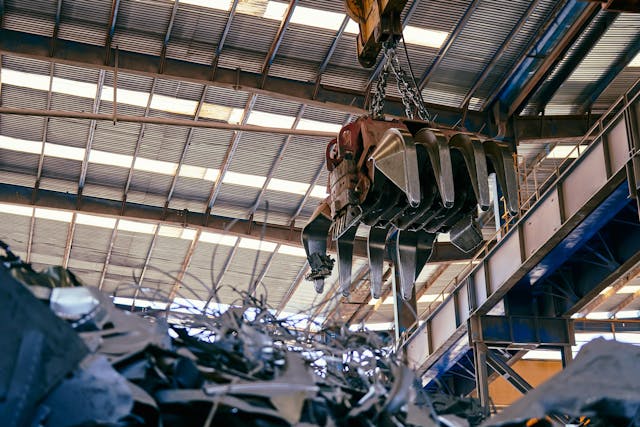
Industrial growth produces enormous volumes of secondary materials that are often undervalued or discarded. Companies across manufacturing, construction, mining, and processing sectors generate byproducts that still contain significant economic value. However, fragmented supply chains and lack of transparent markets make it difficult to efficiently trade these materials.
A worldwide secondary resource exchange solves this problem by creating a global marketplace where secondary raw materials can be bought, sold, and repurposed across industries. This system connects suppliers, recyclers, manufacturers, and industrial buyers into a unified trading ecosystem.
What Is a Worldwide Secondary Resource Exchange?
A worldwide secondary resource exchange is a global B2B marketplace where surplus industrial materials, recyclable resources, and secondary raw materials are traded between businesses.
Instead of treating materials as waste, these platforms treat them as reusable economic resources.
Key Functions
- Trading secondary raw materials globally
- Connecting suppliers and industrial buyers
- Standardizing material grading
- Supporting bulk and export trade
- Improving price transparency
- Enabling circular economy supply chains
How Worldwide Secondary Resource Exchanges Work
Step 1: Material Listing
- Suppliers list secondary resources with details such as:
- Material type
- Quantity available
- Quality grade
- Contamination level
- Source industry
- Packaging and storage conditions
Step 2: Buyer Search and Filtering
- Buyers search based on:
- Material category
- Industry use case
- Location
- Price range
- Volume requirements
Step 3: Negotiation Process
- Parties negotiate:
- Pricing per ton
- Delivery timelines
- Inspection requirements
- Shipping terms
- Payment structure
Step 4: Logistics and Trade Execution
- Once agreed, logistics partners manage:
- Export documentation
- Freight and shipping
- Customs clearance
- Delivery confirmation
Types of Secondary Resources Traded Globally
Metal-Based Secondary Resources
- Copper scrap
- Aluminum waste
- Steel byproducts
- Brass residue
- Zinc materials
- Iron scrap
Plastic Secondary Materials
- PET flakes
- HDPE scrap
- PP industrial waste
- PVC recycling feedstock
- LDPE film waste
Paper and Fiber Resources
- Cardboard waste (OCC)
- Mixed paper
- Kraft paper
- Industrial fiber residue
Industrial Byproducts
- Slag
- Fly ash
- Foundry sand
- Chemical residues
- Rubber waste
Organic and Agricultural Residues
- Biomass waste
- Agricultural fiber
- Organic sludge
- Compostable materials
Benefits of Worldwide Secondary Resource Exchanges
Improved Material Utilization
- Secondary resources are reused instead of discarded, reducing waste generation.
Higher Economic Value Recovery
- Businesses can monetize materials previously considered waste.
Global Market Access
- Suppliers can reach international buyers beyond local markets.
Cost Efficiency
- Manufacturers reduce raw material costs by sourcing secondary inputs.
Environmental Sustainability
- Supports circular economy and reduces environmental footprint.
Pricing Structure in Secondary Resource Markets
- Pricing depends on several industrial and market factors.
Material Quality
- Higher purity materials command premium pricing.
Market Demand
- Demand from construction, manufacturing, and recycling industries affects pricing.
Processing Requirements
- Materials requiring less processing are valued higher.
Logistics Costs
- Shipping distance and freight costs affect final pricing.
Estimated Secondary Resource Pricing Table
Material Type Estimated Price Range Copper Scrap $5,500–$8,500/ton Aluminum Scrap $1,200–$2,400/ton PET Flakes $300–$900/ton Fly Ash $15–$60/ton OCC Cardboard $80–$180/ton Biomass Waste $20–$120/ton Challenges in Secondary Resource Exchanges
Quality Variability
- Secondary materials differ across suppliers and regions.
Regulatory Compliance
- Cross-border trade requires adherence to environmental and export regulations.
Logistics Complexity
- Transporting bulk materials internationally requires coordination and cost optimization.
Market Fragmentation
- Small suppliers often lack access to global buyers.
How to Choose a Secondary Resource Exchange Platform
Supplier Verification
- Ensure proper validation of sellers and material sources.
Global Buyer Network
- The platform should connect multiple countries and industries.
Transparent Pricing
- Real-time or market-based pricing improves trust and efficiency.
Logistics Support
- Integrated shipping and documentation support is essential.
FAQs
What is a worldwide secondary resource exchange?
- It is a global marketplace where secondary raw materials and industrial byproducts are traded between businesses to support recycling and reuse.
What materials are traded in secondary resource exchanges?
- Metals, plastics, paper, industrial byproducts, biomass waste, and chemical residues are commonly traded.
Why are secondary resource exchanges important?
- They improve resource efficiency, reduce waste, lower costs, and support global sustainability goals.
How is pricing determined in secondary resource markets?
- Pricing depends on material quality, demand, logistics costs, and processing requirements.
Who uses secondary resource exchanges?
- Manufacturers, recyclers, exporters, industrial buyers, and waste processors use these platforms.
Conclusion
- A worldwide secondary resource exchange transforms industrial waste into valuable global commodities. It enables businesses to reduce waste, improve profitability, and participate in sustainable circular supply chains.
- As industries move toward sustainability, secondary resource trading platforms will become essential infrastructure for global material flow.