

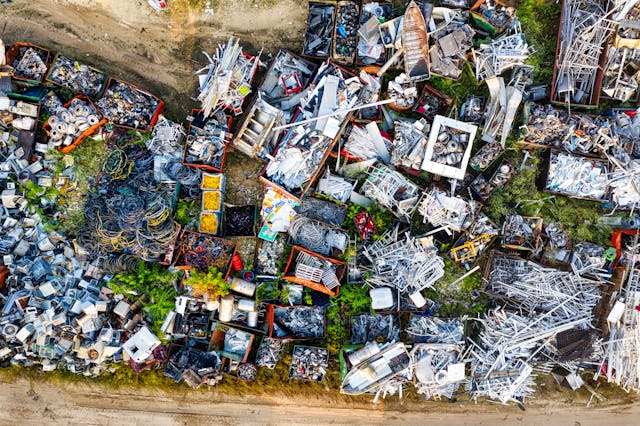
Understanding how scrap metal is recycled is essential for industries, recyclers, and anyone involved in metal trading or waste management. Scrap metal recycling is not just about melting old materials it is a structured industrial process that transforms discarded metals into reusable raw materials for manufacturing.
Many people underestimate the value hidden in scrap metal, assuming it is simply waste. In reality, recycled metals like steel, copper, and aluminum play a major role in global supply chains, reducing mining dependency and lowering production costs.
In this guide, you will learn the complete scrap metal recycling process, technologies involved, pricing factors, and how recycled metals re-enter global markets.
What is Scrap Metal Recycling?
Scrap metal recycling is the process of collecting, sorting, processing, and reusing metal waste to produce new raw materials. These materials are then used in construction, automotive, manufacturing, and industrial production.
Types of scrap metal:
- Ferrous metals (steel, iron)
- Non-ferrous metals (copper, aluminum, brass, zinc)
- Precious metal scrap (industrial gold, silver components)
Each type follows a different recycling pathway based on its properties and value.
Step-by-Step Process of Scrap Metal Recycling
The recycling process follows a structured industrial workflow to ensure maximum recovery and quality output.
1. Collection of Scrap Metal
Scrap metal is collected from multiple sources such as:
- Industrial waste
- Construction sites
- Vehicle dismantling
- Household appliances
- Manufacturing scrap
Collection is the first step in building a usable recycling supply chain.
2. Sorting and Separation
Once collected, metals are sorted based on type and composition.
Common sorting methods:
- Magnetic separation (for steel and iron)
- Manual sorting (for mixed scrap)
- Sensor-based sorting systems
- Density and conductivity testing
Proper sorting is critical because different metals require different recycling processes.
3. Shredding and Size Reduction
Large metal pieces are broken down into smaller fragments using industrial shredders.
This step:
- Reduces volume
- Improves melting efficiency
- Removes non-metal contaminants
Shredded scrap is easier to process in furnaces.
4. Melting in Furnaces
Shredded scrap metal is melted in high-temperature furnaces.
Furnace types:
- Electric arc furnaces (steel recycling)
- Induction furnaces (non-ferrous metals)
- Blast furnaces (large-scale iron processing)
Each metal has a specific melting point and processing method.
5. Purification and Refining
During melting, impurities are removed using:
- Chemical treatments
- Electrolysis
- Slag separation techniques
This ensures high-quality recycled metal suitable for manufacturing.
6. Solidification and Casting
Once purified, molten metal is poured into molds and cooled into:
- Ingots
- Bars
- Sheets
- Rods
These forms are easier to transport and use in manufacturing.
7. Manufacturing Reuse
Finally, recycled metals are used in industries such as:
- Automotive manufacturing
- Construction and infrastructure
- Electronics production
- Packaging industry
This completes the circular lifecycle of scrap metal.
Scrap Metal Recycling Pricing System
The value of recycled scrap metal depends on global commodity markets.
Key pricing factors:
- Metal type (ferrous vs non-ferrous)
- Global demand and supply
- Purity level after processing
- Energy and transportation costs
- Industrial demand cycles
Example pricing overview:
| Metal Type | Recycling Value | Demand Level |
|---|---|---|
| Copper | Very high | Electrical industry |
| Aluminum | High | Automotive & packaging |
| Steel | Medium | Construction sector |
| Brass | Medium-high | Industrial components |
Technology Used in Scrap Metal Recycling
Modern recycling facilities use advanced technology to improve efficiency.
Key technologies:
- Magnetic separation systems
- Eddy current separators
- AI-based sorting machines
- Automated shredders
- High-efficiency electric arc furnaces
Environmental Benefits of Scrap Metal Recycling
- Recycling metal has significant environmental advantages:
- Reduces mining and raw material extraction
- Saves energy compared to producing new metal
- Lowers greenhouse gas emissions
- Reduces landfill waste
- Supports circular economy systems
- For example, recycling aluminum saves up to 95% of energy compared to producing it from raw ore.
Challenges in Scrap Metal Recycling
- Despite its benefits, the industry faces challenges:
- Contamination in mixed scrap
- Fluctuating global metal prices
- High energy costs for processing
- Complex logistics for bulk scrap transport
- Regulatory compliance across countries
FAQs
- How is scrap metal recycled step by step?
Scrap metal is collected, sorted, shredded, melted, purified, cast into new forms, and reused in manufacturing industries. - Which scrap metal is most valuable?
Copper and aluminum are the most valuable due to high industrial demand and efficient recyclability. - Is recycling scrap metal profitable?
Yes, scrap metal recycling is profitable due to strong global demand and lower production costs compared to raw metal extraction. - What industries use recycled metal?
Construction, automotive, electronics, packaging, and manufacturing industries heavily use recycled metals. - Does recycling metal save energy?
Yes, recycling metals uses significantly less energy than producing new metals from raw ore. Conclusion
- Understanding how scrap metal is recycled reveals a highly structured industrial process that supports global manufacturing and sustainability. From collection to melting and reuse, every stage adds value to discarded materials and reduces environmental impact.
- Scrap metal recycling is a core part of the circular economy and continues to grow with global demand for sustainable raw materials.