

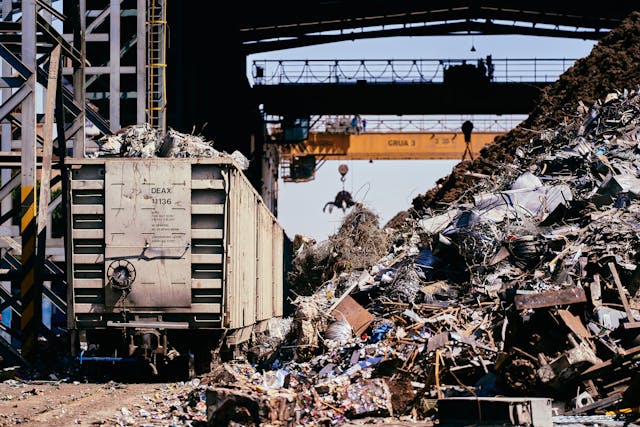
If you are searching how to scrap metal for money, you are likely looking for a practical way to turn old metal items, junk, or industrial waste into cash. Scrap metal recycling is one of the most accessible ways to earn money from unused materials, but most people underestimate how pricing works and how to maximize returns.
Scrap metal has real market value because it contains reusable raw materials like steel, copper, aluminum, and brass. The key is knowing what to collect, how to sort it, and where to sell it for the best price.
In this guide, you will learn how to scrap metal for money step by step, what metals are most valuable, pricing methods, and strategies to increase your profit.
What is Scrap Metal and Why It Has Value?
Scrap metal refers to discarded metal materials that can be recycled and reused in manufacturing. Instead of going to waste, these materials are processed and converted into new raw materials.
Common scrap metals include:
- Steel and iron (ferrous metals)
- Copper wiring and pipes
- Aluminum cans and parts
- Brass fittings and fixtures
- Stainless steel appliances
Why scrap metal is valuable:
- Can be melted and reused repeatedly
- Reduces mining costs for industries
- High demand in construction and manufacturing
- Global commodity-based pricing system
The value depends on the type of metal and market demand.
Step-by-Step: How to Scrap Metal for Money
Scrapping metal is a simple process, but profitability depends on how efficiently you handle each step.
1. Collect Scrap Metal
Start by gathering metal items from different sources:
- Old appliances (washing machines, fridges)
- Broken vehicles and car parts
- Construction debris
- Electrical wiring and cables
- Household items like pots and furniture
The more diverse your collection, the higher your earning potential.
2. Separate Metals by Type
Sorting is critical because different metals have different prices.
Basic classification:
- Ferrous metals: magnetic (steel, iron)
- Non-ferrous metals: non-magnetic (copper, aluminum, brass)
Non-ferrous metals are more valuable.
3. Clean and Prepare Scrap
Removing non-metal components increases value.
Examples:
- Strip plastic from copper wires
- Remove rubber from metal parts
- Separate electronics from casing
Clean scrap usually gets higher pricing.
4. Weigh Your Scrap
Scrap value is mostly calculated by weight.
Basic formula:
Scrap Value = Weight × Price per kg (or ton)
Knowing approximate weight helps you estimate earnings before selling.
5. Check Current Scrap Prices
Scrap prices change frequently based on global markets.
Example pricing range:
| Metal Type | Price Level | Profit Potential |
|---|---|---|
| Copper | Very high | Excellent |
| Aluminum | High | Good |
| Brass | High | Good |
| Steel | Low-medium | Moderate |
Always check current market rates before selling.
6. Find Scrap Buyers or Recycling Centers
You can sell scrap to:
- Local scrap yards
- Recycling companies
- Metal dealers
- Online scrap marketplaces
7. Negotiate Best Price
Never accept the first offer.
Tips:
- Compare multiple buyers
- Sell in bulk for better rates
- Highlight clean, sorted scrap
- Sell during high market price periods
Even small negotiation improvements increase profit.
Most Profitable Scrap Metals
Not all metals earn the same money.
High-value scrap metals:
- Copper (wires, pipes, motors)
- Brass (fittings, valves)
- Aluminum (cans, frames, engine parts)
Low-value scrap metals:
- Mixed steel
- Rusted iron
- Contaminated scrap
Focusing on high-value metals improves earnings significantly.
How Scrap Metal Prices Are Determined
Scrap pricing is influenced by global commodity markets.
Key factors:
- Global metal demand and supply
- Industrial manufacturing needs
- Energy and transport costs
- Purity and quality of scrap
- Export/import demand
Simple pricing formula:
Scrap Price = Base Metal Rate + Demand Premium − Processing Cost
Tips to Make More Money from Scrap Metal
To increase earnings, follow these strategies:
Focus on non-ferrous metals like copper and aluminum
Sell in bulk instead of small quantities
Clean and separate metals properly
Track global price trends regularly
Build relationships with scrap buyers
Small improvements in sorting and timing can significantly increase profits.
Common Mistakes to Avoid
Many beginners lose money due to simple mistakes.
Avoid:
- Selling mixed scrap without sorting
- Ignoring price fluctuations
- Choosing first buyer without comparison
- Not removing non-metal attachments
- Selling low-value scrap individually instead of bulk
Proper preparation increases returns.
Environmental Benefits of Scrapping Metal
Scrap metal recycling is not just profitable it is environmentally important.
- Reduces landfill waste
- Saves energy compared to mining
- Lowers carbon emissions
- Supports circular economy systems
Every kilogram of recycled metal reduces environmental impact.
FAQs
How to scrap metal for money easily?
Collect metal items, sort them by type, clean them, and sell them to scrap yards or recycling platforms based on current market prices.
What scrap metal pays the most?
Copper and brass typically offer the highest payouts due to strong industrial demand and high recyclability.
Where can I sell scrap metal?
You can sell to local scrap yards, recycling centers, or online platforms like Scrap Trade and Scrap Trade Australia.
Is scrapping metal profitable?
Yes, scrapping metal is profitable when you focus on high-value metals and sell during favorable market conditions.
Do I need special tools to scrap metal?
Basic tools like cutters, magnets, and weighing scales are useful but not mandatory for beginners.
Conclusion
Learning how to scrap metal for money is a practical way to turn unused materials into income. Success depends on identifying valuable metals, sorting properly, tracking prices, and selling strategically.
With the right approach, scrap metal recycling can become a consistent income source while also supporting environmental sustainability.