

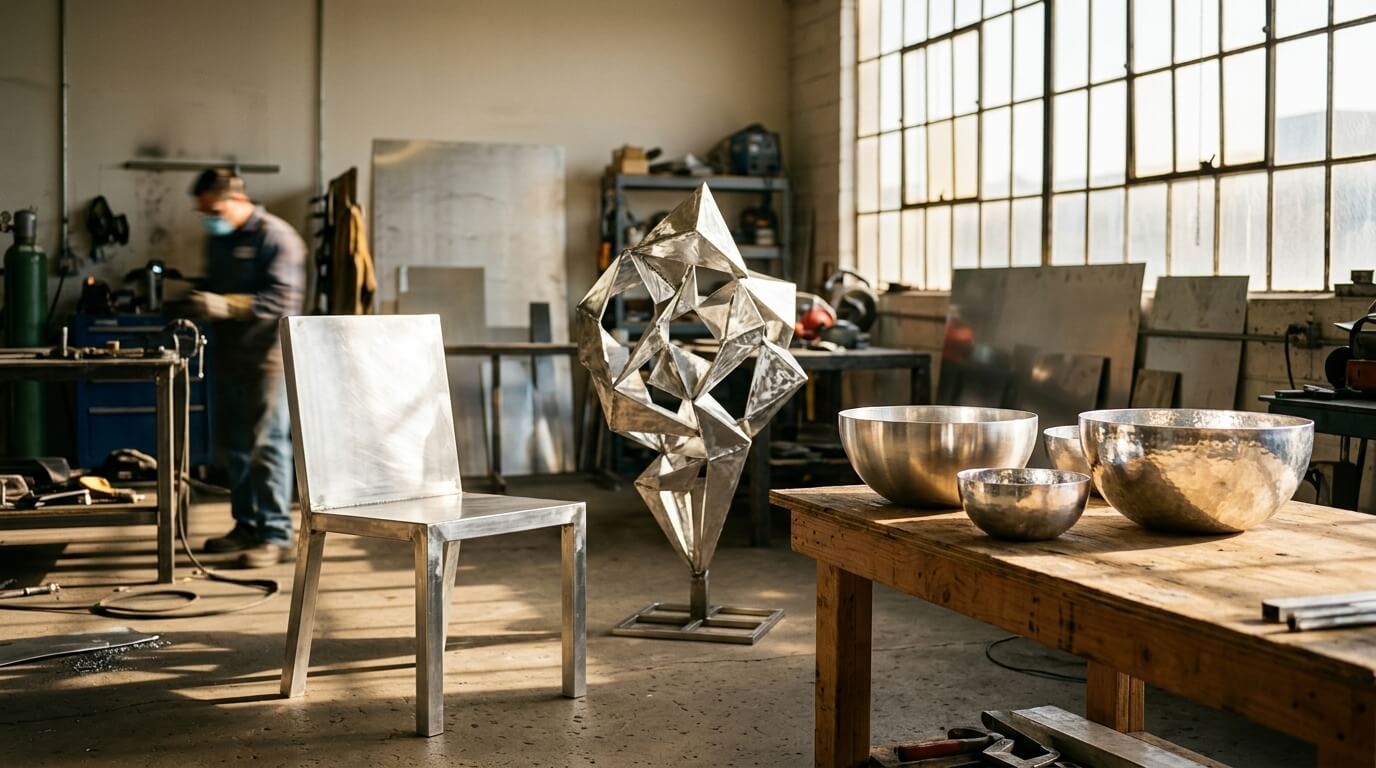
Aluminum is one of the most valuable and widely recycled metals in the world, yet many businesses and individuals are unsure what happens to scrap aluminum after it is collected. Whether you're a manufacturer, construction company, automotive business, or scrap trader, understanding the best uses for scrap aluminum can help maximize its value and reduce waste.
Why Scrap Aluminum Is So Valuable
Aluminum is unique because it can be recycled repeatedly without losing its quality or performance characteristics. Unlike many materials that degrade during recycling, aluminum retains its original properties.
Key Benefits of Recycling Aluminum
- Uses up to 95% less energy than producing new aluminum
- Reduces greenhouse gas emissions
- Conserves natural resources
- Lowers manufacturing costs
- Creates a circular economy for metal products
This makes aluminum one of the most traded and recycled metals globally.
Types of Scrap Aluminum
Before exploring its uses, it's important to understand common categories of aluminum scrap.
| Aluminum Scrap Type | Common Sources |
|---|---|
| Aluminum Cans | Beverage containers |
| Extrusion Scrap | Windows, doors, frames |
| Sheet Aluminum | Roofing, cladding |
| Cast Aluminum | Engine parts, machinery |
| Aluminum Wire | Electrical applications |
| Aluminum Turnings | Manufacturing waste |
| UBC Scrap | Used Beverage Cans |
Each type is processed differently before being reused in manufacturing.
Best Uses for Scrap Aluminum
1. Manufacturing New Aluminum Products
The most common use for scrap aluminum is producing new aluminum products.
After collection and processing, scrap aluminum is melted and transformed into:
- Aluminum sheets
- Aluminum coils
- Aluminum plates
- Aluminum rods
- Structural components
Manufacturers prefer recycled aluminum because it reduces production costs while maintaining material quality.
Example
An old aluminum window frame can become a new automotive component or construction panel after recycling.
2. Automotive Industry Applications
The automotive sector is one of the largest consumers of recycled aluminum.
Recycled Aluminum Is Used In:
- Engine blocks
- Wheels and rims
- Vehicle frames
- Transmission housings
- Body panels
Modern vehicle manufacturers increasingly use aluminum to reduce vehicle weight and improve fuel efficiency.
Benefits for Automakers
- Lower vehicle weight
- Better fuel economy
- Reduced emissions
- Lower production costs
3. Construction and Building Materials
Construction companies extensively use recycled aluminum because of its durability and corrosion resistance.
Common Construction Applications
- Window frames
- Roofing sheets
- Curtain walls
- Cladding systems
- Structural supports
Recycled aluminum helps construction projects achieve sustainability goals while maintaining high performance.
4. Packaging Industry
One of the most successful examples of aluminum recycling is beverage cans.
Products Made from Recycled Aluminum
- Soft drink cans
- Food containers
- Aerosol cans
- Foil packaging
- Pharmaceutical packaging
Interestingly, an aluminum can can be recycled and returned to store shelves as a new can within approximately 60 days.
5. Aerospace Industry
The aerospace industry relies heavily on aluminum due to its lightweight and strength characteristics.
Aerospace Uses
- Aircraft panels
- Interior components
- Structural supports
- Aerospace hardware
Although aerospace-grade aluminum requires strict quality standards, recycled aluminum often contributes to the production process.
6. Electrical and Energy Applications
Aluminum is an excellent conductor of electricity.
Recycled Aluminum Is Used For:
- Power transmission lines
- Electrical cables
- Solar panel frames
- Energy infrastructure
- Utility equipment
As renewable energy projects expand globally, demand for recycled aluminum continues to grow.
7. Consumer Electronics
Many electronic devices contain aluminum components.
Examples Include
- Laptop casings
- Smartphone bodies
- Computer parts
- Tablet enclosures
- Home appliances
Manufacturers increasingly incorporate recycled aluminum into their products to reduce environmental impact.
8. Industrial Machinery and Equipment
Industrial manufacturers use recycled aluminum for various equipment and machine components.
Common Applications
- Machine housings
- Industrial tools
- Production equipment
- Conveyor systems
- Storage containers
The material's lightweight nature and corrosion resistance make it ideal for industrial environments.
9. Furniture and Home Products
Recycled aluminum is widely used in residential and commercial furniture production.
Products Include
- Outdoor furniture
- Shelving systems
- Lighting fixtures
- Decorative panels
- Kitchen accessories
The metal's durability makes it suitable for long-term use.
10. Sustainable Manufacturing and Green Products
Many environmentally conscious brands prioritize recycled materials.
Eco-Friendly Products Made from Scrap Aluminum
- Reusable water bottles
- Sustainable packaging
- Green building materials
- Recycled furniture
- Renewable energy components
As sustainability becomes a key purchasing factor, demand for recycled aluminum continues to increase.
How Much Is Scrap Aluminum Worth?
Scrap aluminum prices vary based on several factors.
Factors Affecting Aluminum Scrap Prices
| Factor | Impact on Price |
|---|---|
| Purity | Higher purity = higher value |
| Quantity | Bulk loads often earn more |
| Market Demand | Strong demand raises prices |
| Scrap Type | Different grades command different rates |
| Location | Regional markets influence pricing |
Businesses should monitor market trends regularly before selling large quantities.
How Businesses Can Profit from Scrap Aluminum
Many businesses generate aluminum waste without realizing its value.
Industries That Commonly Sell Aluminum Scrap
- Construction companies
- Manufacturing plants
- Automotive workshops
- Demolition contractors
- Fabrication businesses
- Packaging facilities
Best Practices
Sort Materials Properly
Separate aluminum from other metals to improve value.
Remove Contamination
Clean scrap generally commands higher prices.
Store Securely
Prevent damage and contamination during storage.
Compare Buyers
Use multiple buyers or marketplaces to secure the best rates.
Environmental Benefits of Using Scrap Aluminum
Recycling aluminum delivers significant environmental advantages.
Key Sustainability Benefits
- Reduces landfill waste
- Conserves bauxite ore reserves
- Saves energy
- Lowers carbon emissions
- Supports circular economy initiatives
Every tonne of recycled aluminum significantly reduces the environmental footprint associated with metal production.
FAQs
What is the most common use for scrap aluminum?
The most common use is manufacturing new aluminum products such as beverage cans, automotive parts, construction materials, and packaging. Recycled aluminum maintains its quality, making it suitable for repeated use.
Can scrap aluminum be recycled indefinitely?
Yes. Aluminum can be recycled repeatedly without losing its physical properties. This makes it one of the most sustainable materials in the recycling industry.
Which industries buy the most recycled aluminum?
The automotive, construction, packaging, aerospace, electronics, and renewable energy sectors are among the largest consumers of recycled aluminum worldwide.
Is aluminum scrap worth selling?
Yes. Aluminum is one of the highest-demand non-ferrous metals. Businesses generating large volumes of aluminum waste can generate additional revenue through recycling programs.
How can I get the best price for aluminum scrap?
Sort materials by grade, remove contamination, monitor market prices, and compare offers from multiple buyers or scrap trading platforms.
Conclusion
Scrap aluminum plays a vital role in modern manufacturing, sustainability, and resource conservation. From automotive components and construction materials to beverage cans and renewable energy systems, recycled aluminum supports countless industries while reducing environmental impact.
If your business generates aluminum scrap, proper sorting and recycling can transform waste into a valuable revenue stream. Whether you're selling small quantities or managing large industrial volumes, leveraging specialized scrap marketplaces can help maximize returns and simplify the recycling process.