

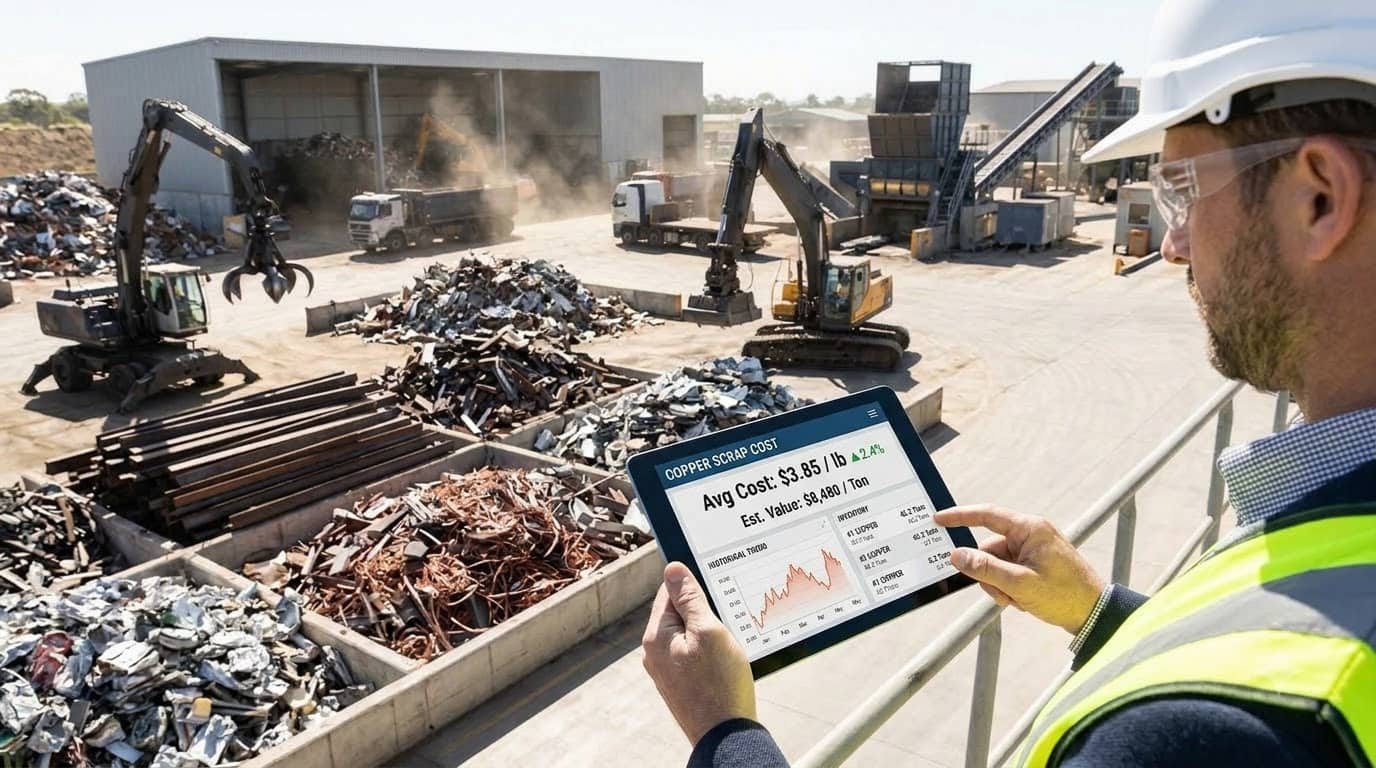
Copper scrap cost is an important consideration for recyclers, scrap dealers, manufacturers, and businesses that buy or sell recyclable metals. Because copper is widely used in electrical wiring, construction, plumbing, machinery, and industrial equipment, recovered copper can be a valuable material for recycling and reuse.
However, copper scrap does not have one fixed price. The cost depends on the copper grade, purity, condition, quantity, location, transportation expenses, and current market conditions. Clean copper wire may receive a different offer from insulated cable, mixed copper, or copper recovered from old machinery.
Understanding these differences helps buyers estimate purchasing costs and sellers evaluate offers more effectively. Online marketplaces can also help businesses connect with potential trading partners and compare available opportunities.
What Is Copper Scrap Cost?
Copper scrap cost refers to the amount a buyer pays to purchase recovered copper material. It may be quoted per kilogram, tonne, pound, or another unit, depending on the country and transaction.
For sellers, the same figure represents the potential selling price before deducting any costs they incur. For buyers, the purchase price is only one part of the total cost. Transportation, sorting, processing, inspection, taxes, and other applicable expenses may also affect the final economics of a deal.
Copper scrap prices can change as market conditions and buyer requirements change. Therefore, a price quoted for one grade, location, and delivery arrangement should not automatically be applied to another.
Different Types of Copper Scrap and Their Costs
The type and condition of copper scrap are among the most important factors affecting its price. Buyers typically assess whether the material meets their specifications and how much preparation it requires before recycling.
1. Bare Bright Copper
Bare bright copper generally refers to clean, uncoated, unalloyed copper wire that meets specific grade requirements. It is commonly separated from other materials and has relatively strict quality expectations.
Because it is clean and requires limited additional preparation, it may attract stronger offers than lower-grade or mixed copper. However, the actual price depends on the buyer's specification, market conditions, and delivery terms.
2. No. 1 Copper Scrap
No. 1 copper commonly includes clean copper solids, pipes, busbars, and suitable wire or clippings that meet the relevant grading specification.
Buyers assess the material's cleanliness, composition, and condition. Copper containing excessive attachments, coatings, or other metals may not qualify for the grade the seller expects.
3. No. 2 Copper Scrap
No. 2 copper generally includes material that does not meet the requirements for higher grades because of characteristics such as coatings, solder, oxidation, or other permitted impurities.
Its cost may be lower than that of cleaner copper, but the difference depends on the material specification and the buyer's processing requirements. Sellers should describe the condition accurately rather than assuming that all copper-colored material qualifies as a particular grade.
4. Insulated Copper Wire
Insulated copper wire contains copper conductors covered by plastic, rubber, or another insulating material.
Its value depends on factors such as the copper content, insulation type, wire size, and expected recovery during processing. The total weight of insulated wire is not the same as the weight of recoverable copper, so buyers generally assess it differently from clean, bare copper.
5. Mixed Copper Scrap
Mixed copper scrap can contain different copper items, shapes, or grades. If the material is not clearly separated, the buyer may need to inspect and sort it before determining an offer.
Separating identifiable grades can make a load easier to assess. Nevertheless, sorting is worthwhile only when the potential improvement in the selling price justifies the labour and handling costs.
Key Factors That Affect Copper Scrap Cost
Copper scrap pricing depends on several connected factors. Understanding them helps businesses avoid comparing offers that are based on different assumptions.
Copper Grade and Purity
Higher-quality material that meets a buyer's specifications may receive a stronger offer than material requiring extensive processing. Sellers should identify grades carefully and confirm any specification that is important to the transaction.
Global Copper Market Conditions
Copper is traded in international commodity markets, and reference prices can influence scrap buying and selling decisions. However, an exchange price for refined copper is not the same as the price of scrap.
Scrap buyers account for material quality, processing costs, recovery considerations, local demand, and commercial terms when preparing an offer.
Quantity and Consistency
The size of a shipment can affect the available buying opportunities. Some buyers prefer regular bulk supplies, while others accept smaller quantities.
Consistent grades and clearly described quantities can make a shipment easier to evaluate. Sellers should confirm minimum quantity requirements before arranging transport.
Location and Transportation
Copper scrap costs vary by location because local supply, buyer demand, freight charges, handling expenses, and access to processing facilities differ.
A buyer offering a higher price may not provide the best overall result if the seller must pay substantially more for transport or other delivery expenses.
Contamination and Material Condition
Plastic, iron attachments, dirt, moisture, solder, and mixed metals can affect how a buyer evaluates a load. Material that does not match the agreed description may also lead to revised terms or a dispute.
Accurate sorting, clear photographs, and honest descriptions help buyers assess the material before making an offer.
How to Calculate the Total Cost of Copper Scrap
Buyers should calculate the total cost of acquiring and preparing copper scrap instead of focusing only on the quoted purchase price.
A simple calculation is:
Total acquisition cost = Purchase cost + Transportation + Handling + Processing + Other applicable expenses
For example, suppose a business purchases 1,000 kg of copper scrap at an illustrative price of $7 per kg.
| Cost item | Illustrative amount |
|---|---|
| Copper scrap purchase | $7,000 |
| Transportation | $350 |
| Sorting and handling | $150 |
| Total before other applicable expenses | $7,500 |
The effective cost is $7.50 per kg before any additional expenses not included in this example.
These figures are for calculation purposes only, not current copper scrap market quotations. Actual costs depend on the grade, supplier, location, and transaction terms.
Sellers can use a similar approach to assess net proceeds by subtracting their selling-related expenses from the buyer's payment. This makes it easier to compare offers on a consistent basis.
How to Find Competitive Copper Scrap Prices
Finding a competitive price requires more than checking a single market reference. Buyers and sellers should compare quotations that relate to the same material grade, quantity, location, and delivery conditions.
First, identify the copper grade and describe the material accurately. Separate clean copper from insulated wire or mixed loads where practical.
Next, check relevant market references and request offers from suitable buyers. Confirm whether each quotation includes transport, taxes, loading, inspection, and other applicable costs. Also review payment terms and the period for which the offer remains valid.
Finally, compare the complete commercial terms. A slightly lower quotation may be more attractive if it offers convenient collection, clear specifications, and dependable payment arrangements.
Sell Copper Scrap Online Through ScrapTrade
Businesses looking to reach additional buyers can use digital marketplaces alongside their existing supplier and customer networks.
ScrapTrade is a global online scrap trading marketplace where businesses can list materials and connect with potential buyers. It supports trading opportunities across different scrap categories, including copper and other recyclable materials.
To prepare a copper scrap listing, sellers should provide:
- The copper type and grade, where known.
- The approximate quantity and unit of measurement.
- The material's condition and any relevant contamination.
- Clear photographs showing the actual material.
- The collection or delivery location and preferred transaction terms.
Accurate listings help potential buyers determine whether the material meets their requirements. Sellers can then review offers and consider the full transaction terms before agreeing to a deal.
ScrapTrade connects buyers and sellers; it does not take ownership of the listed copper. The parties should confirm material specifications, payment arrangements, inspection conditions, and logistics before proceeding.
FAQs
How much does copper scrap cost per kilogram?
There is no single global price for copper scrap per kilogram. The price depends on the grade, purity, location, quantity, market conditions, and delivery terms. Request current quotations for the specific material being traded.
Why does bare copper cost more than insulated copper wire?
Bare copper generally requires less processing because the insulation has already been removed. Insulated wire includes non-copper material, so buyers consider the expected recoverable copper and the cost of processing it.
Does the global copper price determine scrap prices?
Global copper benchmarks can influence scrap prices, but they do not determine the final scrap quotation by themselves. Buyers also consider grade, impurities, processing costs, local supply and demand, and logistics.
How can I get a better offer for copper scrap?
Identify the grade correctly, separate materials where practical, provide accurate weights and photographs, and compare quotations from suitable buyers. Include transportation and other transaction costs when evaluating offers.
Conclusion
Copper scrap cost depends on material grade, quality, market conditions, location, quantity, and the expenses involved in handling and transporting the material. Buyers can make more informed purchasing decisions by calculating total acquisition costs, while sellers can improve their results by preparing accurate listings and comparing complete offers.
For businesses seeking additional trading opportunities, ScrapTrade provides a global marketplace to list copper scrap and connect with potential buyers. Clear specifications and transparent commercial terms help both parties evaluate a deal more effectively.