

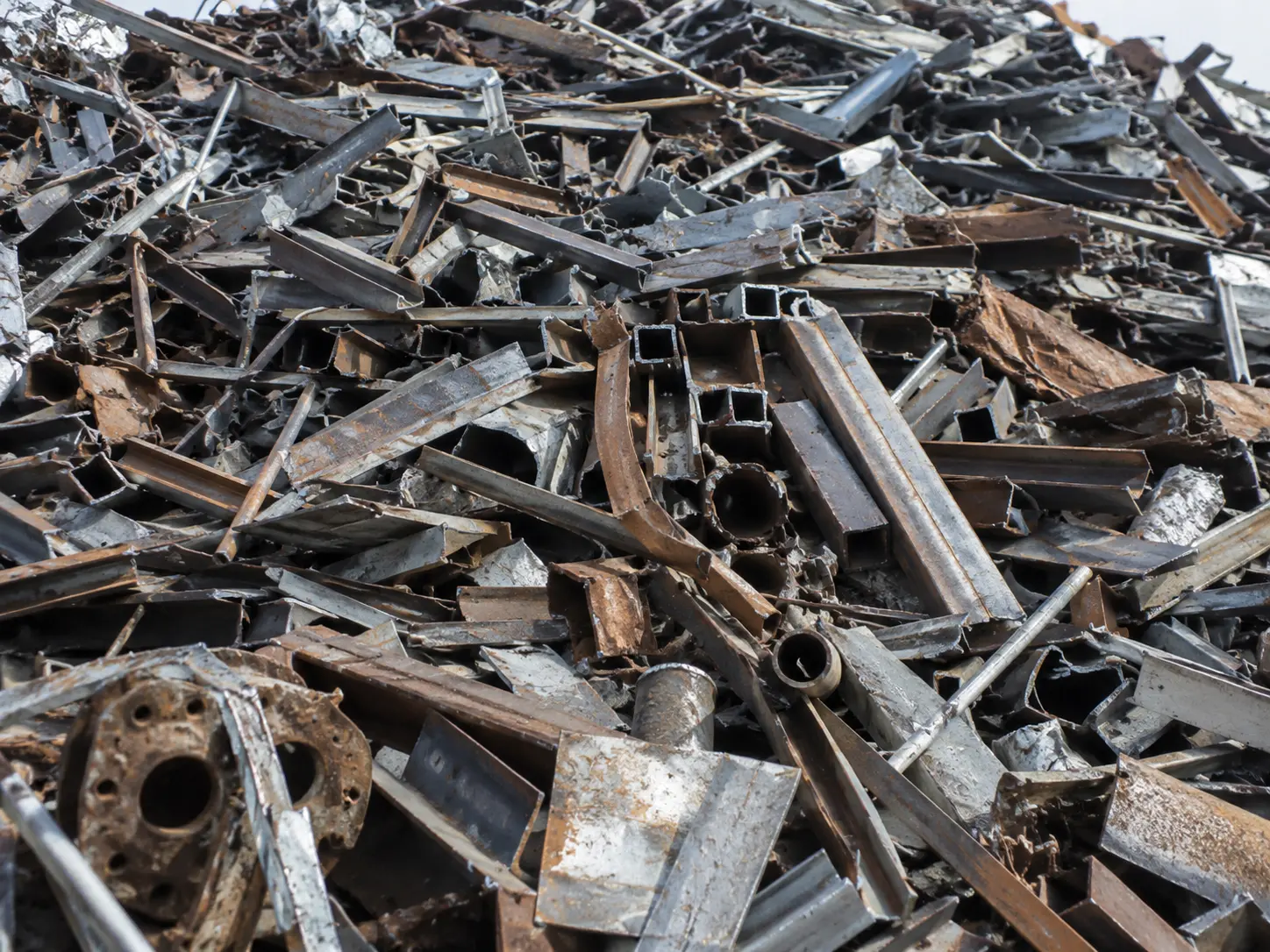
Understanding stainless steel scrap price in Australia 2026 is essential for hospitality businesses, manufacturers, demolition contractors, and recyclers dealing with kitchen equipment, machinery parts, and industrial-grade stainless steel. Unlike many other scrap metals, stainless steel pricing is strongly influenced by global alloy markets, particularly nickel and chromium, which cause frequent fluctuations in value across Australian scrap yards.
The most commonly traded grades 304 stainless steel and 316 stainless steel do not carry the same price per kg. Grade 316 typically achieves higher returns due to its higher nickel and molybdenum content, making it more corrosion-resistant and valuable in industrial applications. However, real-world payouts are often reduced when stainless steel is mixed with other metals, contaminated with food waste, or attached to non-metal components. Understanding these grading differences is key to maximising returns in Australia’s stainless steel scrap market.
Current Stainless Steel Scrap Price in Australia (2026 Overview)
Stainless steel scrap pricing in Australia is primarily driven by alloy composition, nickel/chromium content, cleanliness, and global stainless steel demand. Higher-grade materials such as 316 stainless steel consistently achieve stronger returns due to their superior corrosion resistance and higher alloy value, while mixed or contaminated scrap is priced lower.
Average Stainless Steel Scrap Rates Per Kg
| Grade | Description | Price (AUD/kg) |
|---|---|---|
| 304 Stainless Steel | Kitchenware, sinks, pipes | $1.50 – $2.50/kg |
| 316 Stainless Steel | Marine / chemical-grade | $3.00 – $4.50/kg |
| Mixed Stainless Steel | Contaminated scrap | $0.80 – $1.20/kg |
| Light/Low-grade Stainless | 200 series alloys | $0.70 – $1.10/kg |
Stainless Steel Grades Explained (304 vs 316)
Stainless steel scrap value in Australia is strongly influenced by grade composition, particularly the difference between 304 and 316 stainless steel. Each grade has distinct alloy properties that affect recyclability, processing cost, and final scrap payout.
304 Stainless Steel (Most Common)
304 stainless steel is the most widely used grade across domestic and commercial applications.
It is commonly found in kitchen equipment, sinks, appliances, and general fabrication work. Because of its high availability and relatively lower alloy content compared to 316, it offers moderate scrap value. However, it remains highly recyclable and consistently accepted across Australian scrap yards.
316 Stainless Steel (Higher Value)
316 stainless steel is considered a premium-grade alloy due to its enhanced corrosion resistance.
It contains molybdenum, which improves durability in harsh environments such as marine, chemical, and medical applications. This higher alloy composition increases its intrinsic value, resulting in stronger scrap payouts compared to 304 stainless steel.
Mixed Stainless Steel
Mixed stainless steel includes contaminated material or blends of different stainless grades.
It often contains attachments, coatings, or non-stainless contaminants, which increases processing requirements. Because recyclers must separate and refine the material before reuse, mixed stainless steel typically receives a lower price per kg compared to clean, sorted grades.
What Affects Stainless Steel Scrap Prices in Australia?
Stainless steel scrap pricing in Australia is shaped by a combination of global alloy markets and local processing conditions. Because stainless steel is an alloy rather than a single metal, its value is closely tied to fluctuating commodity inputs like nickel and chromium, as well as the quality of the scrap being sold.
Key Pricing Drivers
Several core factors determine how stainless steel scrap is valued across Australian recycling markets.
Global nickel and chromium prices
Stainless steel pricing is heavily influenced by nickel and chromium markets. When nickel prices rise, stainless steel scrap generally becomes more valuable due to higher alloy recovery value.
Stainless steel grade (304 vs 316)
Different grades carry different intrinsic value. 316 stainless steel typically achieves higher prices due to its higher nickel and molybdenum content compared to 304.
Level of contamination (paint, bolts, rubber)
Scrap that contains attachments, coatings, or mixed materials requires additional processing, which reduces the final payout.
Load size (bulk vs small quantities)
Larger volumes often receive better pricing because they reduce handling and transport costs per kilogram for buyers.
Processing and transport costs
Logistics and refining costs directly impact how much buyers can pay, particularly for heavy or low-density stainless scrap.
Why Stainless Steel Value Changes
Stainless steel pricing is inherently volatile due to its dependency on global and industrial factors.
Nickel market volatility is a primary driver, as nickel is a key alloy component in stainless steel production.
Industrial demand from construction, manufacturing, and infrastructure sectors also affects pricing, especially during periods of high production activity.
Recycling mill capacity influences local pricing, as limited processing capacity can temporarily reduce demand for scrap material.
Stainless Steel Scrap Price Per Kg (Market Breakdown)
Stainless steel scrap prices in Australia vary based on alloy composition, grade purity, and contamination levels. Because stainless steel is influenced by global nickel and chromium markets, even small changes in commodity demand can affect per-kg payouts across recycling yards.
Price Breakdown by Grade
Mixed stainless steel
This is the lowest-value category due to contamination, mixed alloys, or attached materials. It requires additional sorting and processing, which reduces its overall recovery value.
304 stainless steel
The most commonly traded grade in Australia, 304 stainless steel sits in the mid-range price category. It offers stable recyclability and consistent demand across kitchenware, construction, and manufacturing sectors.
316 stainless steel
316 is the premium-grade stainless steel due to its higher nickel and molybdenum content. This improves corrosion resistance and increases its scrap value, making it the highest-paying stainless steel category in most Australian markets.
Market Insight
Stainless steel scrap pricing shifts based on global nickel volatility, industrial demand from construction and manufacturing, and recycling mill capacity. Clean, well-sorted stainless steel consistently achieves stronger returns compared to mixed or contaminated loads, especially in bulk quantities.
Where to Sell Stainless Steel Scrap in Australia
Choosing the right buyer is critical for getting the best stainless steel scrap price in Australia, especially for 304 and 316 grades. Prices can vary significantly depending on whether you sell locally, in bulk, or through competitive online marketplaces.
Local Scrap Yards
Local scrap yards are the most accessible option for small household or trade loads.
They typically offer immediate payment after weighing and grading the material, making them convenient for quick disposal. However, pricing can vary between yards depending on demand, location, and how strictly they classify stainless steel grades.
Industrial Scrap Buyers
Industrial buyers are best suited for hospitality, construction, and manufacturing stainless steel waste.
They generally offer higher rates for bulk loads because they process large volumes and often supply directly to recycling mills. Clean, sorted stainless steel especially 304 and 316 grades is preferred, as it reduces sorting and processing costs.
Online Scrap Marketplaces
Online scrap platforms allow sellers to compare multiple offers from different buyers, improving transparency and pricing efficiency.
FAQs
1. What is the current stainless steel scrap price in Australia?
Stainless steel scrap prices in Australia generally range from around $0.70/kg for low-grade or mixed stainless steel up to $4.50/kg for high-quality 316 stainless steel. Final pricing depends on grade, cleanliness, load size, and fluctuations in global nickel and chromium markets.
2. What is the difference between 304 and 316 stainless steel scrap?
304 stainless steel is commonly used in kitchen equipment, sinks, and appliances, making it widely available and moderately priced. 316 stainless steel contains molybdenum, giving it superior corrosion resistance for marine and chemical applications, which results in a higher scrap value compared to 304.
3. Why does stainless steel scrap price change?
Stainless steel scrap prices fluctuate due to global nickel and chromium market movements, industrial demand from manufacturing and construction sectors, and local recycling capacity across Australian scrap yards and mills.
4. What stainless steel grade pays the most?
316 stainless steel typically pays the highest price because of its higher alloy content and stronger demand in marine, chemical, and medical industries. Its enhanced durability increases its intrinsic recycling value.
5. Can I sell stainless steel scrap online in Australia?
Yes, stainless steel scrap can be sold through online marketplaces where sellers can compare multiple buyer offers, improve price transparency, and arrange pickup or delivery depending on load size and location.
Conclusion
The stainless steel scrap price in Australia 2026 is primarily driven by grade quality, cleanliness, and fluctuations in global alloy markets such as nickel and chromium. Higher-grade materials like 316 stainless steel consistently achieve the strongest returns, while 304 and mixed stainless steel fall into lower pricing tiers depending on contamination and processing requirements.
To maximise value, proper sorting and contamination control are essential before selling. Clean, separated stainless steel not only reduces processing costs for buyers but also improves overall payout rates, making preparation a key factor in securing the best returns in Australia’s stainless steel scrap market.