

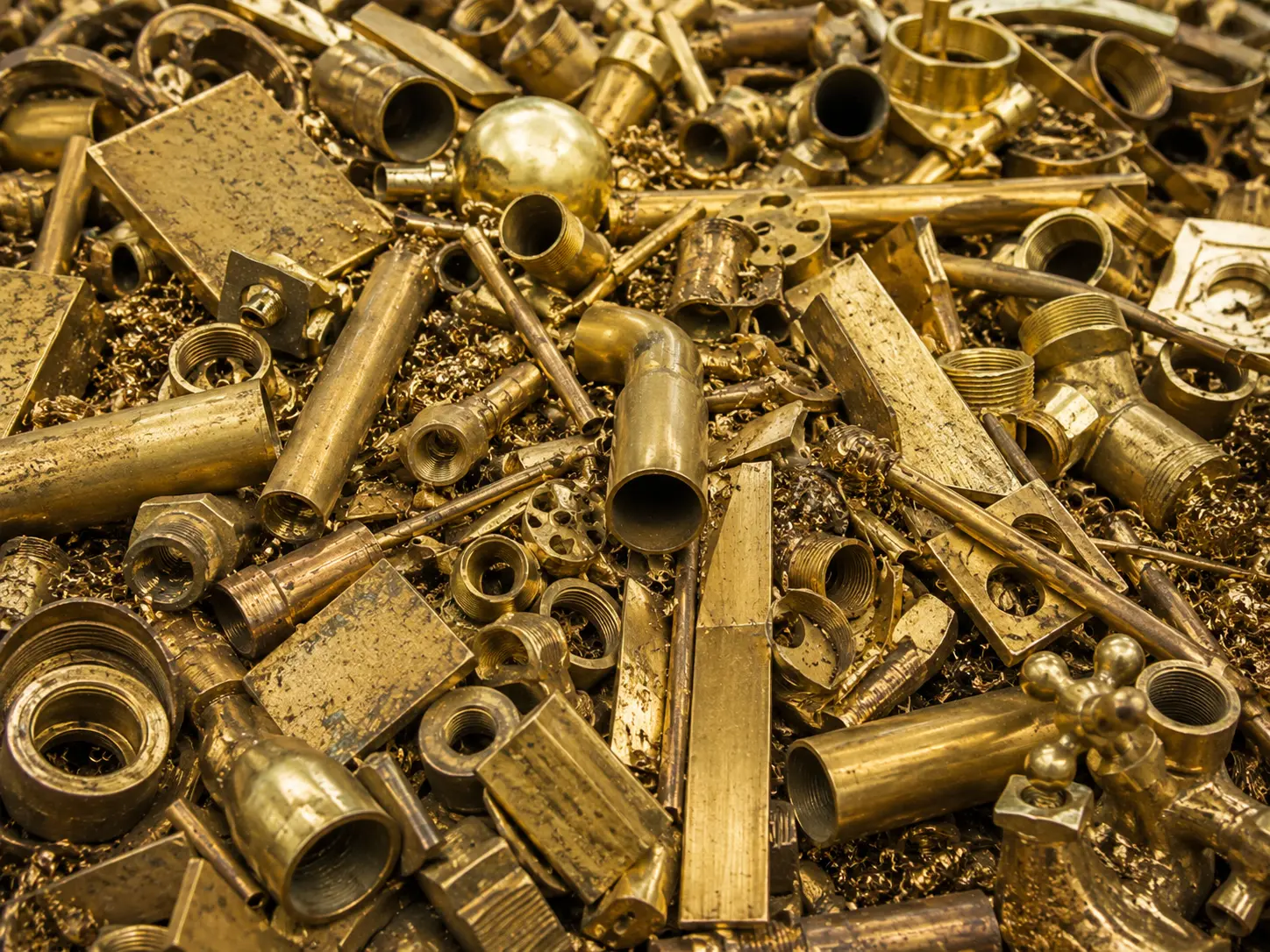
Understanding scrap brass price in Australia is essential for plumbers, engineers, demolition contractors, and recyclers who regularly deal with brass fittings, valves, rods, taps, and mixed metal components. Brass is one of the more valuable non-ferrous scrap metals, but its pricing is not fixed and can shift frequently based on global copper and zinc market movements, along with local demand from Australian recycling buyers.
The value of brass scrap is heavily influenced by its grade and cleanliness. Clean yellow brass typically attracts higher payouts, while mixed or contaminated brass often containing steel attachments, rubber seals, or coatings receives lower pricing due to additional processing requirements. Many sellers lose potential revenue by failing to separate brass types before selling, especially in mixed plumbing and demolition waste streams. Understanding these differences is key to maximising returns in Australia’s brass scrap market.
Current Scrap Brass Prices in Australia (2026 Overview)
Scrap brass pricing in Australia depends heavily on copper and zinc market movements, as well as the cleanliness, grade, and composition of the material being sold. Clean yellow brass consistently achieves higher returns, while mixed or contaminated brass is discounted due to additional processing requirements.
Average Scrap Brass Price Per Kg
| Brass Type | Description | Price (AUD/kg) |
|---|---|---|
| Clean Yellow Brass | Rods, taps, fittings | $5.50 – $8.00/kg |
| Heavy Brass | Industrial components | $5.00 – $7.50/kg |
| Mixed Brass | Contaminated or alloy mix | $3.50 – $5.50/kg |
| Light Brass | Thin fittings, low-grade parts | $3.00 – $5.00/kg |
These prices reflect typical Australian scrap yard benchmarks, where brass is valued as a high-grade non-ferrous metal due to its copper content.
Types of Brass Scrap in Australia
Brass scrap in Australia is classified based on purity, form, and level of contamination. These factors directly impact processing efficiency and final payout rates across recycling yards and industrial buyers.
Brass Rods (High Value Category)
Brass rods are among the highest-value forms of scrap brass due to their density and purity.
They are commonly used in engineering, machining, and fabrication applications where precision and durability are required. Because they are typically clean and free from contamination, brass rods achieve the strongest payouts per kg, especially when sold in bulk quantities.
Brass Fittings (Plumbing & Construction)
Brass fittings are widely generated from plumbing, renovation, and construction work.
This category includes valves, taps, connectors, and couplings. These items often contain attached materials such as steel screws, rubber seals, or plastic components, which can reduce their value if not removed. Proper sorting significantly improves grading and final price per kg.
Mixed Brass Scrap
Mixed brass scrap includes contaminated or alloy-blended materials that do not meet clean grading standards.
Scrap Brass Price by Category (Practical Breakdown)
Scrap brass pricing in Australia varies based on purity, processing requirements, and contamination levels. Buyers consistently pay more for clean, sorted brass because it reduces refining costs and improves recovery efficiency.
Clean Brass (Highest Value)
Clean brass is the most valuable category in the scrap market.
It typically includes machined rods, fittings, and components that are free from contaminants such as steel, rubber, or plastic. Because it requires minimal processing, recyclers prefer this grade and offer the highest per-kg returns.
Heavy Brass
Heavy brass refers to industrial-grade components that are denser and slightly less refined than clean brass.
While still high in copper content and strong in demand especially from foundries this category is priced slightly lower due to minor impurities or mixed-use applications. It remains a strong performer in bulk transactions.
Mixed Brass
Mixed brass includes plumbing waste, dismantled fittings, and contaminated material.
This category often contains attachments or alloy mixing, which requires additional sorting and processing before recycling. As a result, it receives a lower per-kg return compared to clean or heavy brass grades.
Where to Sell Scrap Brass in Australia
Choosing the right place to sell scrap brass in Australia has a direct impact on your final payout. Prices can vary significantly depending on whether you’re selling small household quantities or bulk industrial brass loads, as well as how competitive the buyer network is in your area.
Local Scrap Metal Yards
Local scrap yards are the most accessible option for quick transactions.
They typically offer fast cash payments or instant bank transfers after weighing and grading your material. This option is best suited for small household loads, such as old taps, fittings, and plumbing offcuts. However, pricing can differ between yards based on demand, grading standards, and location.
Industrial Scrap Buyers
Industrial buyers are generally the preferred option for higher-volume brass sellers.
They offer better pricing for bulk loads because they operate at scale and supply directly into foundries and recycling processors. This makes them especially suitable for plumbing contractors, engineering workshops, and demolition companies. Many also provide pickup services, reducing transport costs for large quantities.
How to Get the Best Scrap Brass Price
Maximising scrap brass returns in Australia depends heavily on preparation, grading accuracy, and buyer selection. Because brass pricing is directly tied to copper content and processing costs, small improvements in sorting can significantly increase your payout per kg.
Practical Optimization Tips
Getting the highest scrap brass price requires reducing contamination and improving material quality before sale.
Separate clean brass from mixed fittings
Clean brass consistently achieves higher pricing, so separating it from contaminated or mixed material ensures accurate grading and better payouts.
Remove steel, rubber, and plastic attachments
Non-metal components reduce recycling efficiency and often lead to downgraded pricing, especially in plumbing and demolition scrap.
Sort rods, valves, and plumbing parts individually
Different brass forms are graded differently, and separating them helps avoid lumping high-value material into lower-priced mixed categories.
Sell in bulk loads where possible
Larger volumes often attract better pricing because buyers reduce handling and processing costs per kilogram.
Compare multiple buyers before selling
Brass prices vary across Australian scrap yards and industrial buyers, so comparing offers helps ensure you receive the most competitive rate.
FAQs
1. What is the current scrap brass price in Australia?
Scrap brass prices in Australia generally range from around $3/kg for mixed or contaminated brass up to approximately $8/kg for clean yellow brass. Final pricing depends on purity, volume, and fluctuations in global copper and zinc markets, which directly influence brass valuation.
2. What type of brass scrap is most valuable?
Clean yellow brass is the most valuable category due to its higher copper content and minimal processing requirements. Brass rods, clean fittings, and machined components typically achieve the highest payouts compared to mixed or contaminated brass scrap.
3. Why does brass scrap price change?
Brass scrap prices fluctuate due to movements in global copper and zinc commodity markets, variations in industrial demand, and differences in scrap quality. Local buyer competition and processing costs also contribute to short-term price changes.
4. Can I sell brass fittings from plumbing work?
Yes, brass fittings from plumbing work such as taps, valves, and connectors are widely accepted by scrap metal buyers. However, removing attached steel, rubber, or plastic components can significantly improve the final price per kg.
5. How can I get better brass scrap prices in Australia?
You can improve brass scrap pricing by separating clean and mixed materials, removing contamination, selling in bulk quantities, and comparing multiple buyers. Using online scrap marketplaces can also help secure more competitive rates.
Conclusion
The scrap brass price in Australia 2026 is primarily determined by purity level, brass type, and fluctuations in global copper and zinc markets. Clean brass rods and fittings consistently achieve the highest returns due to lower processing requirements and higher metal content, while mixed or contaminated brass typically receives reduced pricing.
To maximise value, proper sorting and removal of non-metal attachments is essential before selling. Sellers who compare buyers and maintain clean, well-graded brass scrap are more likely to secure stronger and more consistent returns across Australia’s competitive recycling market.