

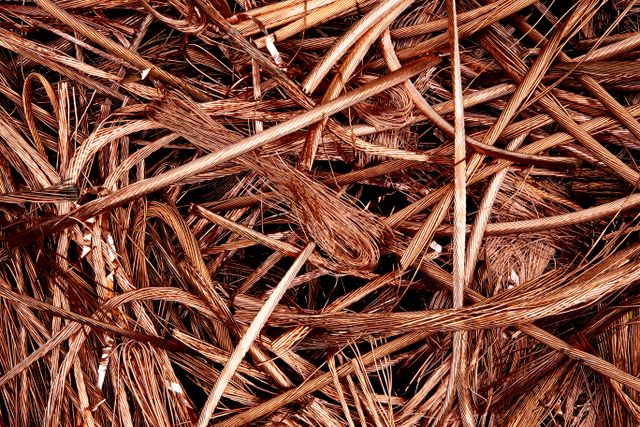
Scrap yard copper prices in Australia fluctuate frequently due to global copper demand, exchange rate movements, refinery demand, and competition between local recycling facilities. Because copper is a high-value non-ferrous metal, even small changes in grading or purity can significantly impact the final payout per kilogram.
Many sellers are unsure how their material will be classified, especially when dealing with copper wire, plumbing pipes, or mixed copper scrap. In most cases, scrap yards separate copper into different grades before pricing, meaning the same load can receive very different valuations depending on contamination levels and preparation quality.
Current Scrap Yard Copper Prices Australia
Copper remains one of the highest-value materials at any scrap yard in Australia, with pricing driven by global commodity demand, refinery requirements, purity levels, and local competition between recyclers. Because copper is widely used in electrical infrastructure, construction, and renewable energy systems, demand stays consistently strong across global markets.
In 2026, scrap copper continues to trade at elevated levels compared to most other recyclable metals, making it a key revenue driver for both residential and industrial scrap sellers.
Copper Scrap Prices Per KG
| Copper Type | Scrap Yard Price Per KG (AUD) |
|---|---|
| Bare Bright Copper | $10 – $14 |
| No.1 Copper (Clean Pipe/Wire) | $9 – $13 |
| No.2 Copper (Mixed/Soldered) | $7 – $10 |
| Insulated Copper Wire | $3 – $7 |
| Copper Millberry | $10 – $13 |
Bare bright copper consistently achieves the highest scrap yard pricing due to its high purity and minimal processing requirements. It is typically sourced from clean, uncoated copper wire used in electrical applications.
No.1 copper, including clean pipes and heavy gauge wire, also receives strong rates, though slightly lower than bare bright depending on contamination levels and local buyer demand.
No.2 copper includes mixed or soldered copper materials that require additional refining before reuse, which reduces its payout value at scrap yards.
Insulated copper wire is priced lower because recyclers must strip or process insulation before extracting usable copper content, increasing processing costs.
Scrap Yard Copper Price Per KG Breakdown
Copper pricing at a is not uniform because recyclers classify copper into different grades based on purity, contamination, and processing requirements. This grading system directly impacts how much you receive per kilogram.
Understanding these categories is essential for maximising returns, especially when selling wire, pipes, or mixed copper scrap.
Bare Bright Copper Prices
Bare bright copper is the highest-value category at most scrap yards.
It consists of clean, uncoated, shiny copper wire with no oxidation, paint, or insulation attached. Because it requires no additional processing before recycling, it achieves the highest scrap yard payout rates.
This grade is commonly sourced from stripped electrical wiring and high-quality industrial copper cables. Recyclers pay premium prices due to its high purity and immediate usability in manufacturing and electrical applications.
Copper Pipe Prices
Copper pipes are widely accepted across Australian scrap yards and generally fall under a strong mid-to-high value category.
This includes plumbing copper used in residential and commercial water systems. Slight oxidation or minor surface wear is usually acceptable, but heavily corroded or contaminated pipe may be downgraded.
Pricing depends heavily on cleanliness, with stripped and clean copper pipes achieving significantly better returns than mixed or coated materials.
Insulated Copper Wire Prices
Insulated copper wire contains a copper core surrounded by plastic or rubber coating, which must be removed or processed before recycling.
Because recyclers must separate copper from insulation, pricing is based on the estimated copper recovery rate after processing. Thicker gauge wire typically yields higher returns compared to thin wiring due to better copper content.
The final payout varies depending on insulation type, copper percentage, and current processing efficiency at the scrap yard.
Mixed Copper Scrap Prices
Mixed copper scrap includes soldered, dirty, burnt, or contaminated copper materials that require additional refining.
This category is typically downgraded because impurities reduce recycling efficiency and increase processing costs for recyclers.
Common examples include copper with fittings, mixed metal attachments, or heavily oxidised materials. While still valuable compared to most other metals, mixed copper receives lower payouts than clean grades due to its additional handling requirements.
Factors That Affect Scrap Yard Copper Prices
Copper pricing at a scrap yard in Australia is highly dynamic and influenced by material quality, global commodity markets, load size, and processing requirements. Even small differences in grading can significantly change the final payout per kilogram, especially for high-value copper categories.
Understanding these core pricing drivers helps sellers time their sales better and maximise returns from copper scrap.
Copper Purity Level
Copper purity is the single most important factor determining scrap yard pricing.
Clean, high-purity copper such as bare bright wire receives the highest payouts because it requires no additional refining before reuse. It is already in a near-market-ready condition and can be directly recycled into new electrical or industrial products.
Mixed copper, which includes solder, coatings, oxidation, or attached fittings, is downgraded due to reduced purity. These impurities increase processing time and reduce the recoverable copper yield, leading to lower per-kilogram rates at scrap yards.
Global Copper Market Trends
International copper pricing plays a major role in determining local scrap yard rates across Australia.
Most recyclers benchmark copper prices against global commodity exchanges, particularly the London Metal Exchange (LME). When LME copper prices rise, scrap yard payouts typically increase shortly after due to stronger demand from refiners and manufacturers.
Supply shortages in mining production or increased demand from sectors like construction, renewable energy, and electronics can also push prices higher. Conversely, oversupply or weaker industrial demand may reduce local scrap rates.
Scrap Volume
The total volume of copper being sold has a direct impact on the rate offered by scrap yards.
Bulk copper loads generally receive better pricing because recyclers benefit from economies of scale in transport, handling, and processing. Larger quantities reduce operational costs per kilogram, allowing yards to offer improved rates to sellers.
Industrial suppliers, demolition contractors, and commercial operators often secure higher negotiated prices compared to small household sellers due to consistent and high-volume supply.
Processing Costs
Processing requirements significantly influence final copper scrap payouts.
Copper that requires insulation removal, cleaning, or separation from other materials incurs additional labour and machinery costs for recyclers. These costs are typically deducted from the final payout rate.
For example, insulated copper wire must be stripped or processed to extract usable copper, reducing its net value compared to clean copper categories. Similarly, contaminated or mixed scrap increases processing complexity, which lowers overall pricing.
Scrap Yard Copper Prices Per Tonne
Copper scrap pricing at a scrap yard in Australia is often referenced in tonnes for bulk industrial loads, demolition projects, and commercial recycling contracts. Per-tonne pricing provides a clearer benchmark for large-volume sellers compared to per-kilogram rates.
Actual payouts still vary based on copper grade, contamination level, and processing requirements, but tonne-based pricing is widely used for market comparison and negotiation.
Copper Scrap Value Range
Clean copper scrap values generally track global refined copper movements and high-grade recyclable supply conditions.
| Copper Grade Basis | Estimated Value (AUD per tonne) |
|---|---|
| Clean Copper Equivalent | $11,000 – $13,000 |
This range reflects high-purity copper scrap, such as bare bright copper and clean No.1 copper, which require minimal processing and deliver high recovery rates for recyclers.
Lower-grade copper, including mixed or insulated materials, is typically discounted due to stripping costs, contamination, and reduced recovery yield.
How Scrap Yards Calculate Copper Prices
Scrap yards in Australia use a structured pricing model to determine how much copper is worth at the point of sale. While rates change daily based on global copper markets and local demand, most recyclers rely on a consistent internal formula that adjusts for grade, purity, and processing costs.
Understanding this calculation helps sellers estimate payouts more accurately and improve returns by preparing copper properly before selling.
Core Pricing Formula
Copper pricing at a scrap yard is generally calculated using a weighted valuation model:
Copper price = Weight × Grade × Market rate adjustment
- Weight: Total mass of copper being sold (kg or tonnes)
- Grade: Classification such as bare bright, No.1, No.2, or insulated copper
- Market rate adjustment: Daily pricing benchmark based on global copper indices (often linked to LME rates)
Higher-grade copper receives a stronger multiplier, while contaminated or mixed copper reduces the final adjusted value.
Key Deduction Factors
Several deductions are applied by scrap yards before final payment is made, depending on material condition and processing requirements.
Contamination level
Copper mixed with dirt, solder, oxidation, or other metals is downgraded because it requires additional refining. Cleaner copper consistently receives higher payouts.
Insulation content
Insulated copper wire is priced lower because recyclers must strip or process the insulation before recovering usable copper. The lower the recovery efficiency, the greater the deduction.
Transport and processing fees
Some scrap yards factor in handling, transport, and processing costs especially for bulk loads or remote collections. These costs reduce the net payout per kilogram or tonne.
Current daily copper index rate
Local pricing is heavily influenced by global copper benchmarks, particularly London Metal Exchange (LME) rates. When the index rises or falls, scrap yard prices adjust accordingly, often within short timeframes.
How to Get Higher Scrap Yard Copper Prices
Getting better returns at a scrap yard in Australia comes down to preparation, grading discipline, and timing. Copper is one of the most price-sensitive scrap metals, meaning small improvements in sorting and processing can significantly increase the final payout per kilogram.
Sellers who treat copper as a graded commodity rather than mixed scrap consistently achieve higher returns across Australian recycling yards.
Separate Copper Grades
One of the most effective ways to improve copper pricing is strict grade separation before visiting a scrap yard.
Do not mix insulated copper, bare bright copper, No.1 copper, or No.2 copper together. Each category is priced differently, and mixed loads are usually downgraded to the lowest-quality classification.
Bare bright copper and clean copper wire should always be kept separate from soldered, oxidised, or mixed materials to avoid value loss during grading.
Strip Insulation When Possible
Removing insulation from copper wire can significantly increase its per-kilogram value.
Insulated copper is priced lower because recyclers must process or strip the coating before extracting usable copper. Once insulation is removed, the material often moves into higher-paying categories such as bare bright or clean copper grades.
For larger volumes, even partial stripping can improve overall return, especially when copper recovery rates are high.
Sell in Bulk Loads
Bulk copper sales generally achieve stronger pricing due to improved negotiation leverage.
Scrap yards prefer larger, consistent loads because they reduce transport costs and increase processing efficiency. As a result, sellers with bulk quantities are often able to negotiate better per-kilogram rates compared to small household drop-offs.
Industrial sellers, electricians, and demolition contractors typically benefit most from bulk pricing structures.
Compare Multiple Scrap Yards
Copper prices vary between scrap yards depending on location, demand, and processing capacity.
Some yards may offer higher rates for clean copper but lower rates for insulated wire, while others adjust pricing based on daily supply conditions or export demand.
FAQs
What are scrap yard copper prices in Australia?
Scrap yard copper prices in Australia generally range from $3 to $14 per kg depending on grade and purity. Bare bright copper sits at the top of the range due to its clean, uncoated condition, while insulated and mixed copper types receive lower rates due to additional processing requirements.
Why do scrap yard copper prices change daily?
Copper prices change daily because scrap yards track global commodity markets, especially the London Metal Exchange (LME). Local factors such as supply levels, recycling demand, fuel costs, and export activity also influence short-term price fluctuations across Australia.
What copper gets the highest price at scrap yards?
Bare bright copper and clean No.1 copper typically receive the highest scrap yard payouts. These grades are highly valued because they contain minimal contamination and require little to no processing before being recycled into new industrial or electrical products.
Does stripping copper increase scrap yard prices?
Yes, stripping insulation from copper wire can significantly increase its value. Removing plastic or rubber coating improves copper purity, allowing it to be classified into higher-paying grades such as bare bright or clean copper categories at scrap yards.
Where can I sell copper scrap in Australia?
Copper scrap can be sold at local scrap yards, metal recyclers, demolition yards, and industrial buyers across Australia. Prices vary by location, grade, and demand, so comparing multiple buyers often results in better overall payouts.
Conclusion
Scrap yard copper prices in Australia remain strong in 2026, supported by steady industrial demand, infrastructure development, and global copper market conditions. Clean copper continues to deliver the highest returns, while insulated and mixed copper types receive lower payouts due to additional processing requirements and reduced purity.
Maximising returns depends on understanding copper grading, separating materials correctly, and staying aware of daily market fluctuations influenced by global commodity prices. Sellers who prepare copper properly and compare multiple scrap yards consistently achieve better pricing outcomes.